
Elm Grove Campus Redevelopment
CONTACT

Lucas Lilly
General Manager, Midwest
PROJECT SNAPSHOT
Project Type
Non-Bank ProjectLocation
Wisconsin | Village of Elm GroveSolution
Natural Resource RestorationEcological Setting
- Green Infrastructure & Urban BMPs
- Wetlands
What was once a declining wetland overtaken by invasive species after widespread tree die-off has transformed into a vibrant, functional ecosystem that serves both the environment and the community.
At the Elm Grove–Tonawanda School campus, RES partnered with local stakeholders to reimagine two degraded floodplain areas along a tributary of Underwood Creek. The goal was not just restoration, but renewal. The project restores ecological function, improves water quality, and creates a living classroom for students.
On the northern parcel, RES focused on ecological performance. Five shallow wetland scrapes were designed and constructed to capture and treat stormwater while supporting diverse native plant communities. Strategically placed logs provide essential habitat for reptiles and amphibians. A newly installed rock riffle in the adjacent tributary reconnects the floodplain to natural hydrology, increasing the frequency of beneficial flooding. This improves pollutant removal, sustains wetland health, and enhances downstream water quality.
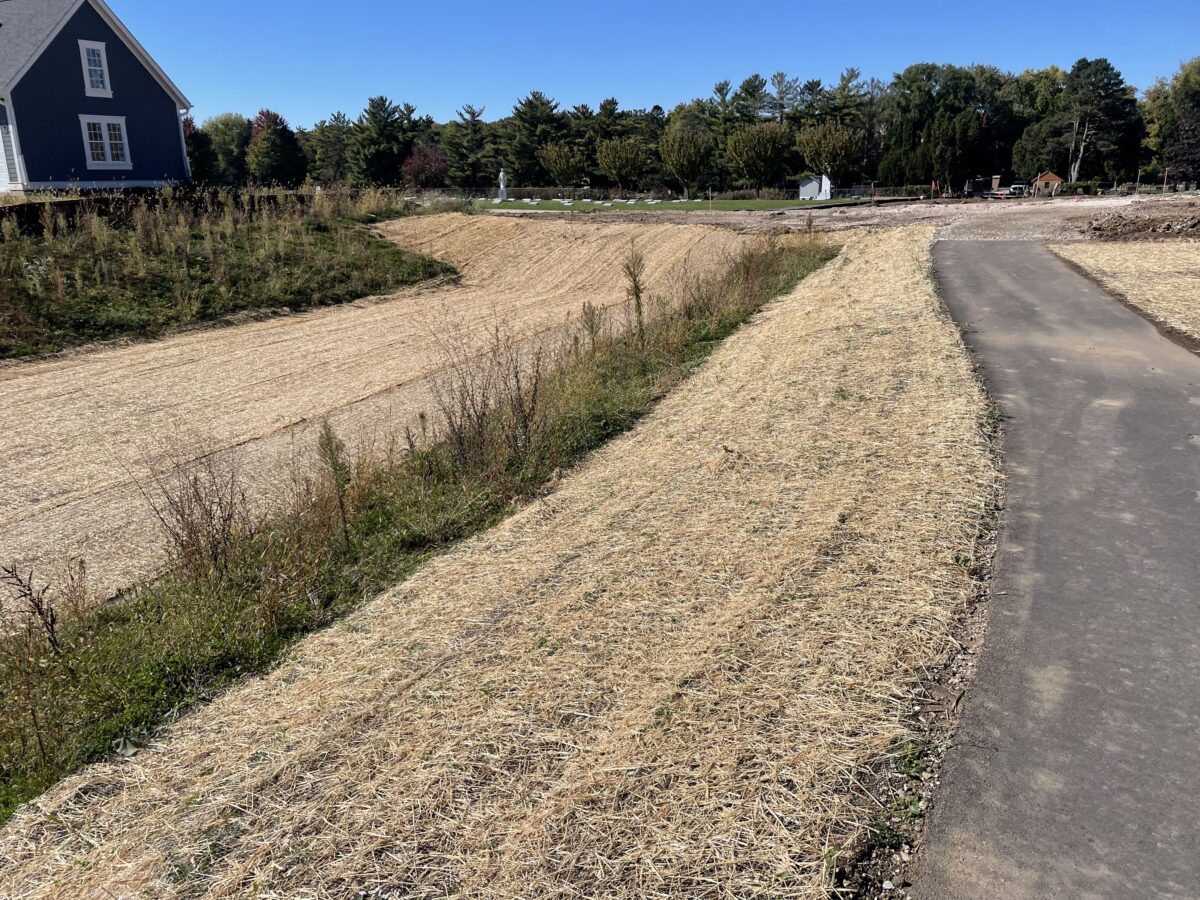
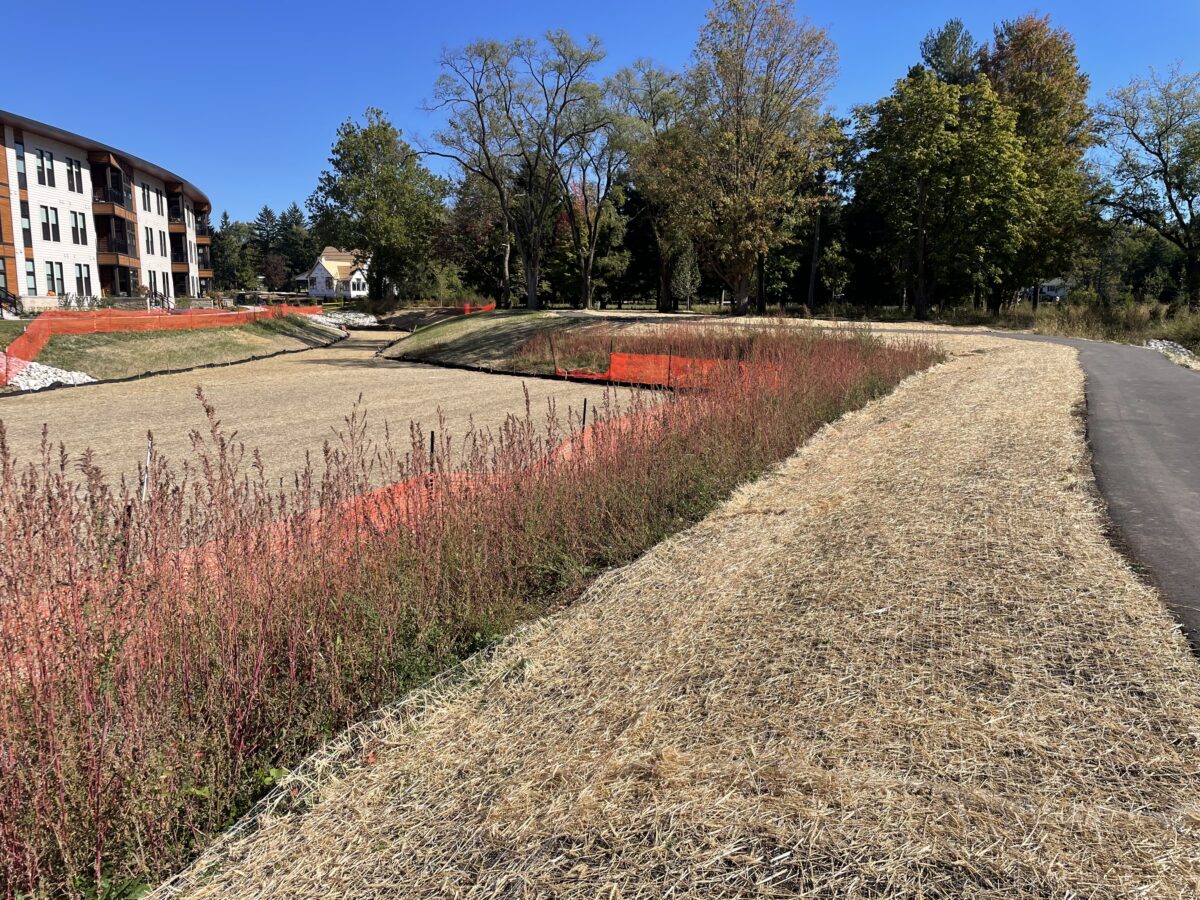
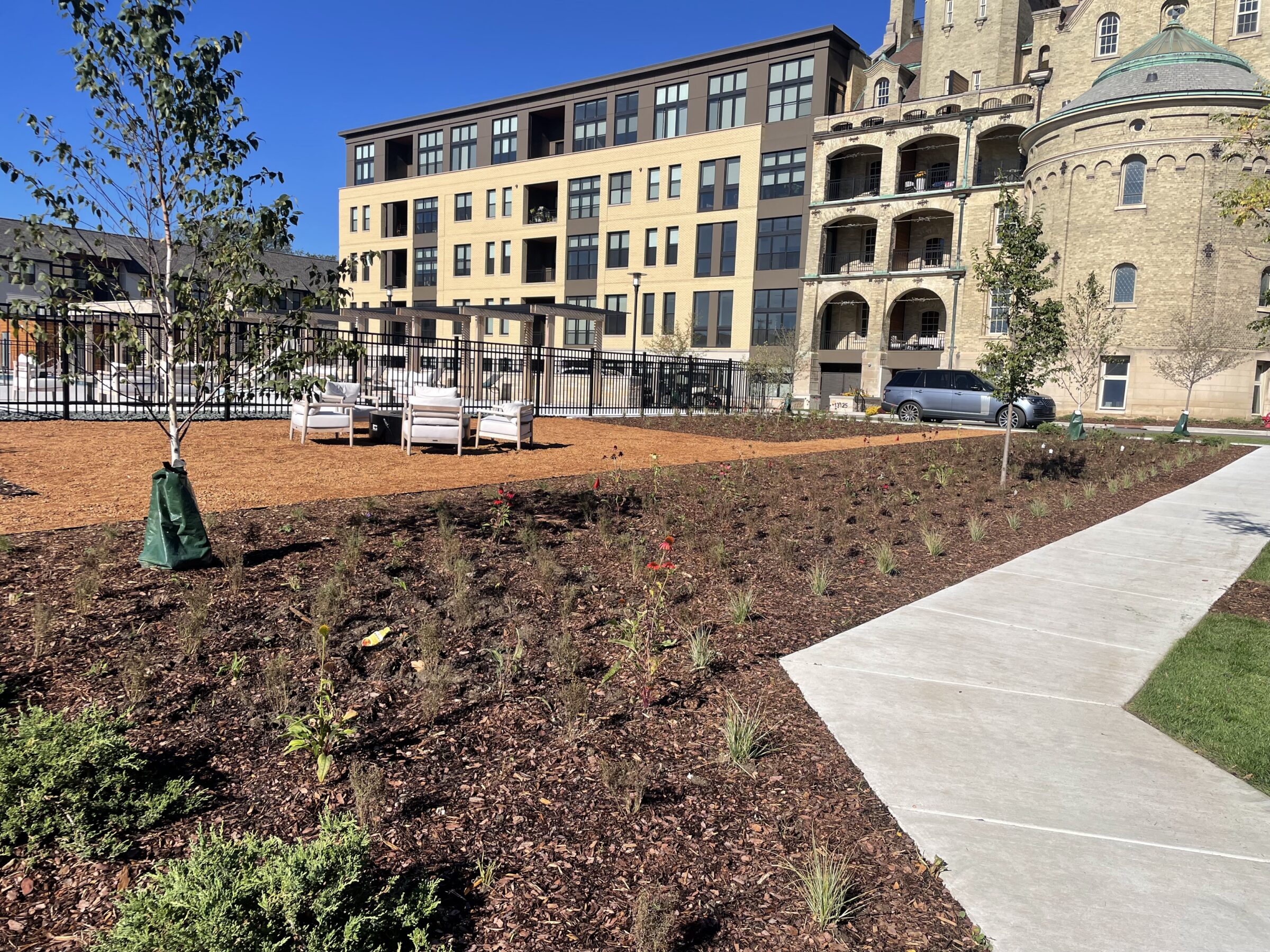
RES also designed the site with people in mind. Showy native plantings were selected for both ecological value and visual appeal, encouraging students, teachers, and the broader community to engage with the landscape. The result is a restored wetland that functions as both green infrastructure and an outdoor classroom, illustrating the value of nature-based solutions.
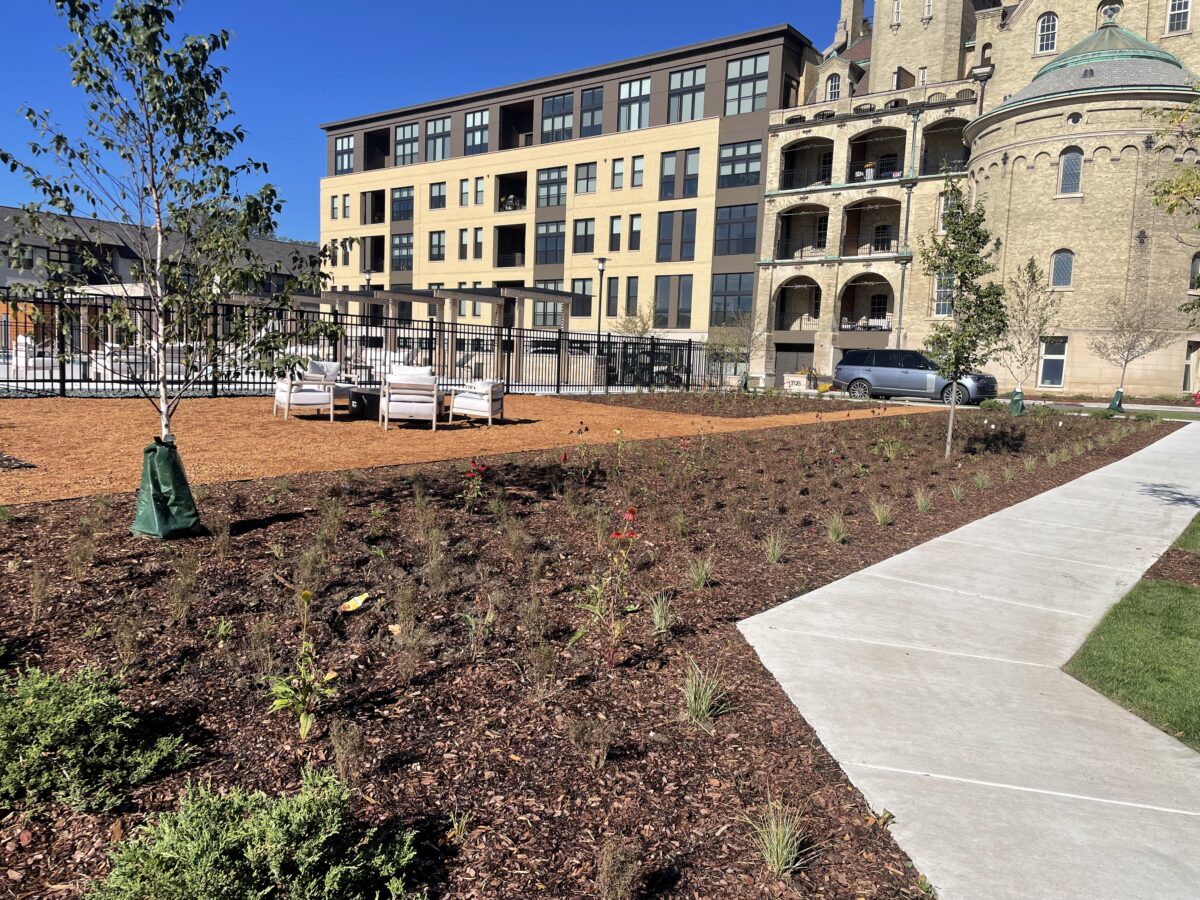
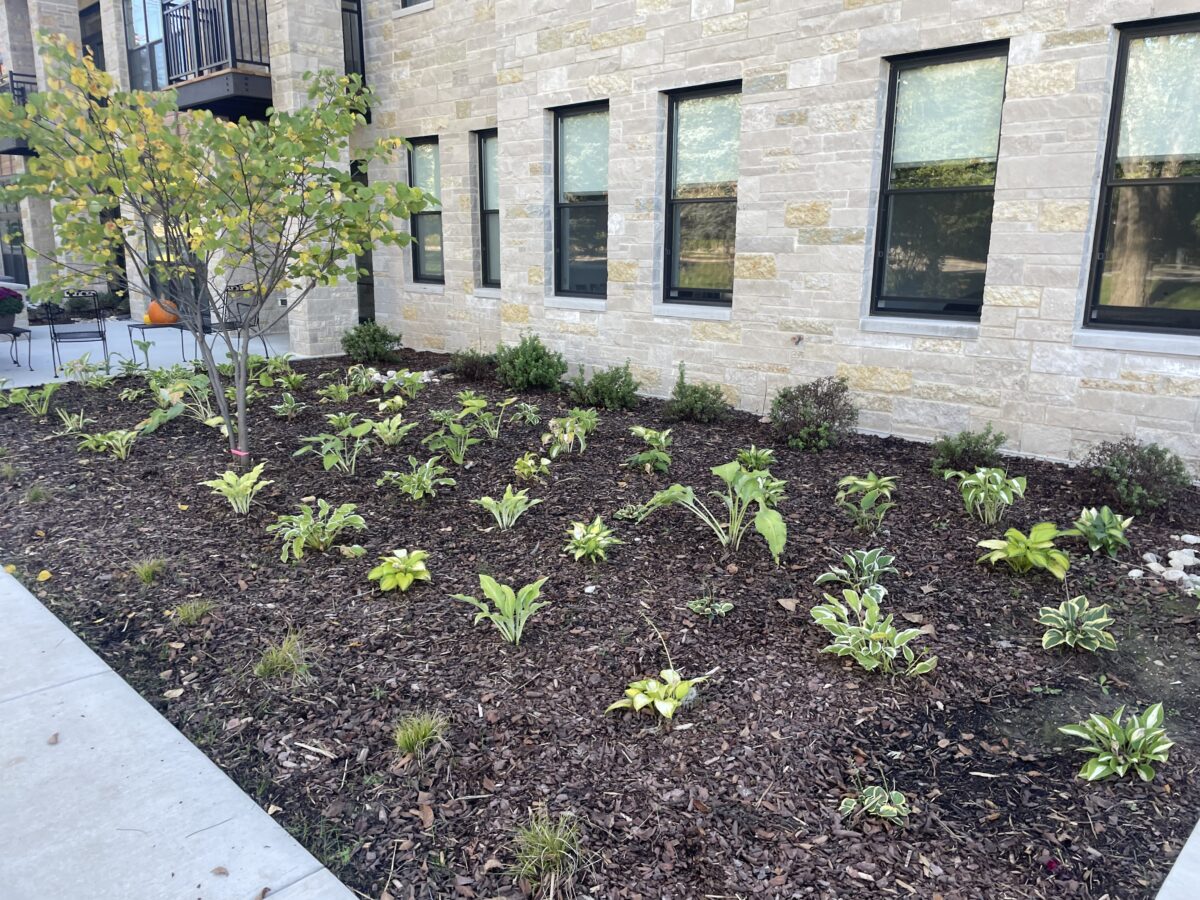
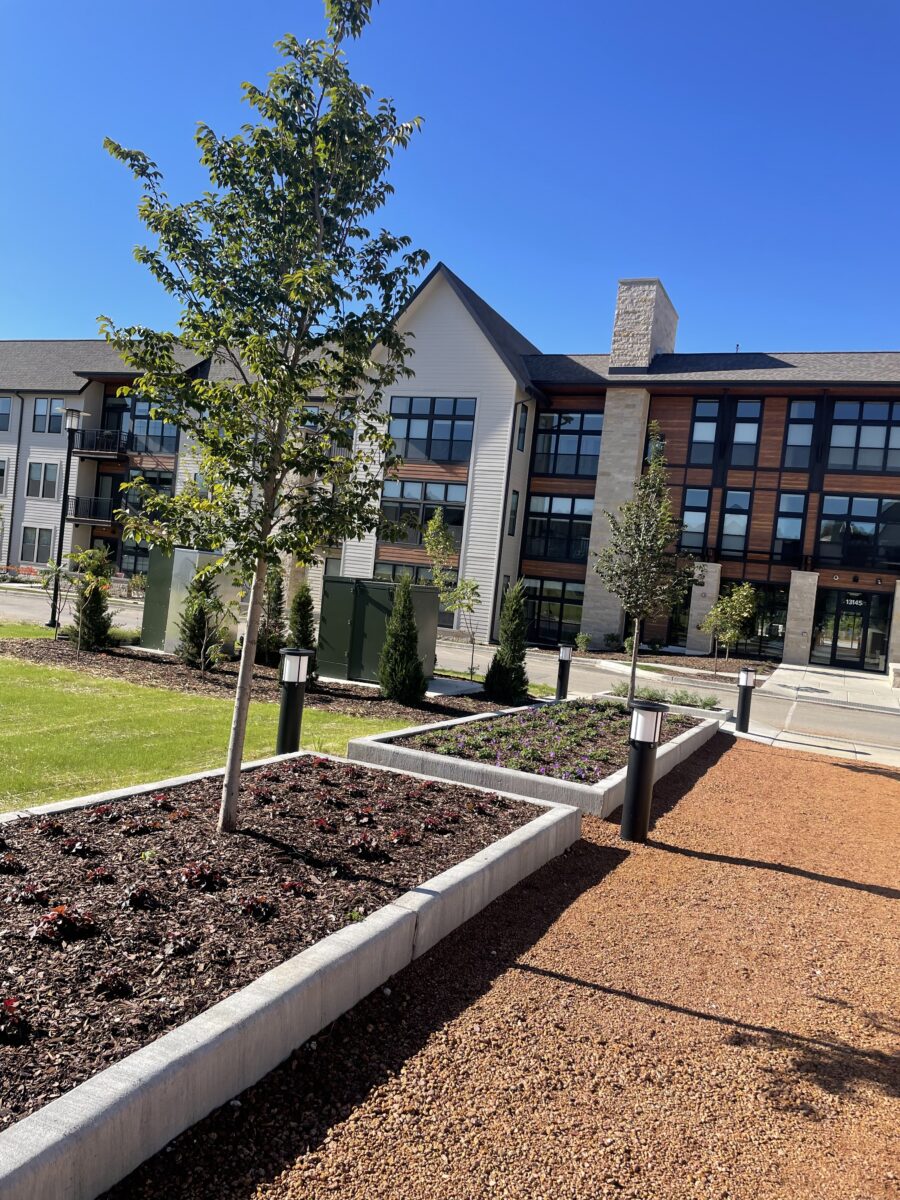
Today, the Elm Grove Campus stands as a lasting example of how restoration can deliver measurable benefits through improved water quality, resilient habitat, and stronger community connection to the natural environment.
Client Benefits
- Improved stormwater management through natural flood attenuation and water storage
- Enhanced water quality through sediment capture and pollutant removal
- Restored and diversified habitat for amphibians, reptiles, and waterfowl
- Reduced long-term maintenance compared to degraded or invasive-dominated landscapes
- Educational resource for students and community engagement with native ecosystems
- Increased site aesthetics with visually appealing native plantings
- Demonstrated value of nature-based solutions for municipal and school stakeholders