
Resiliency
Solutions
Nature-based Solutions (NbS) for Resiliency
Nature-based solutions for resilience help communities and organizations address challenges related to flooding, erosion, storm surge, water supply, and infrastructure. RES designs, builds, and sustains restored wetlands, streams, floodplains, and shorelines to support natural and built systems over time.
Nature-based solutions are all we do.
RES is 100% focused on building NbS projects, which inherently support resiliency and climate adaptation. Working as an integrated team, we design, build, and sustain our sites over time to ensure performance.
This integrated-delivery approach means RES can take on the inherent risk of working with nature, and we guarantee our projects will meet performance criteria. Communities and resiliency agencies can augment their plans with projects that are essentially risk-free.
Explore Resiliency Solutions on our Interactive landscape map.
Inland flooding: Where NbS solutions excel
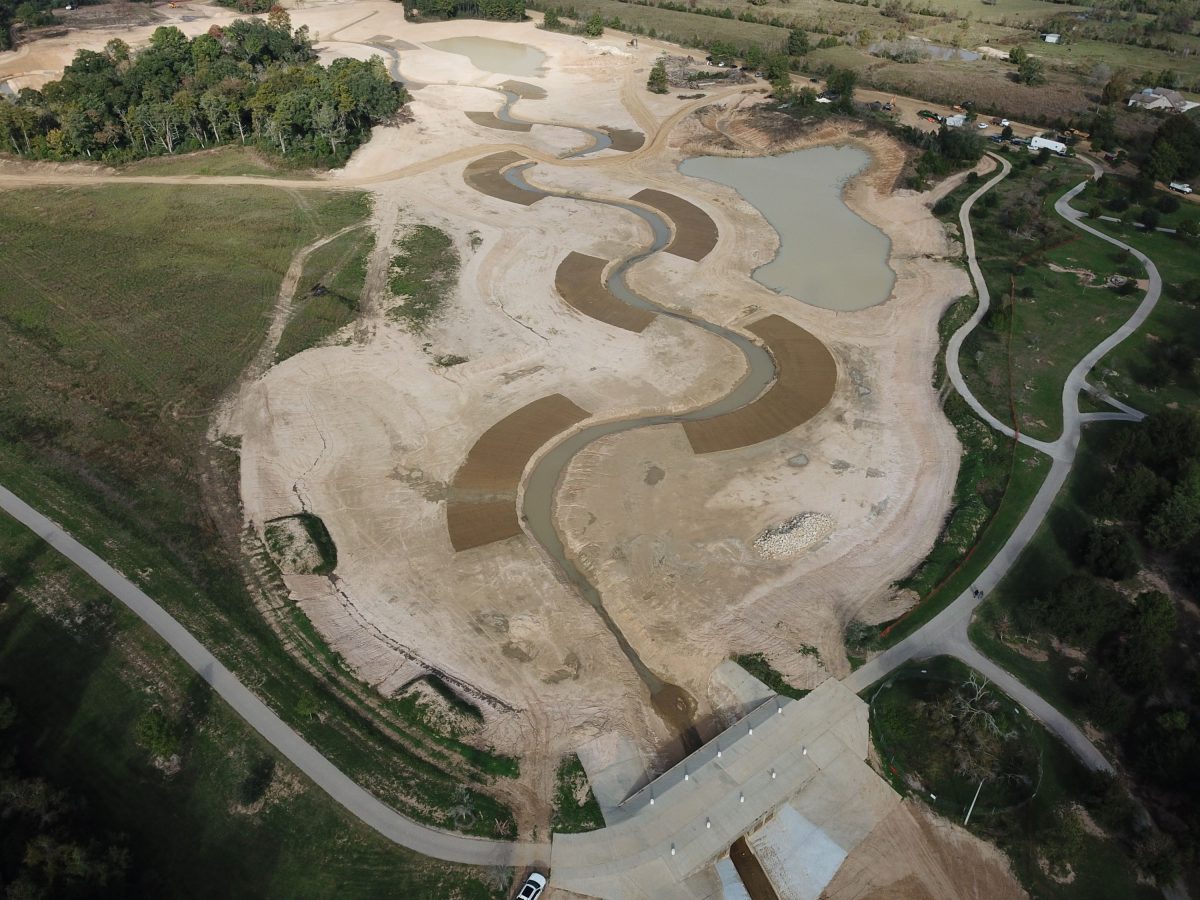
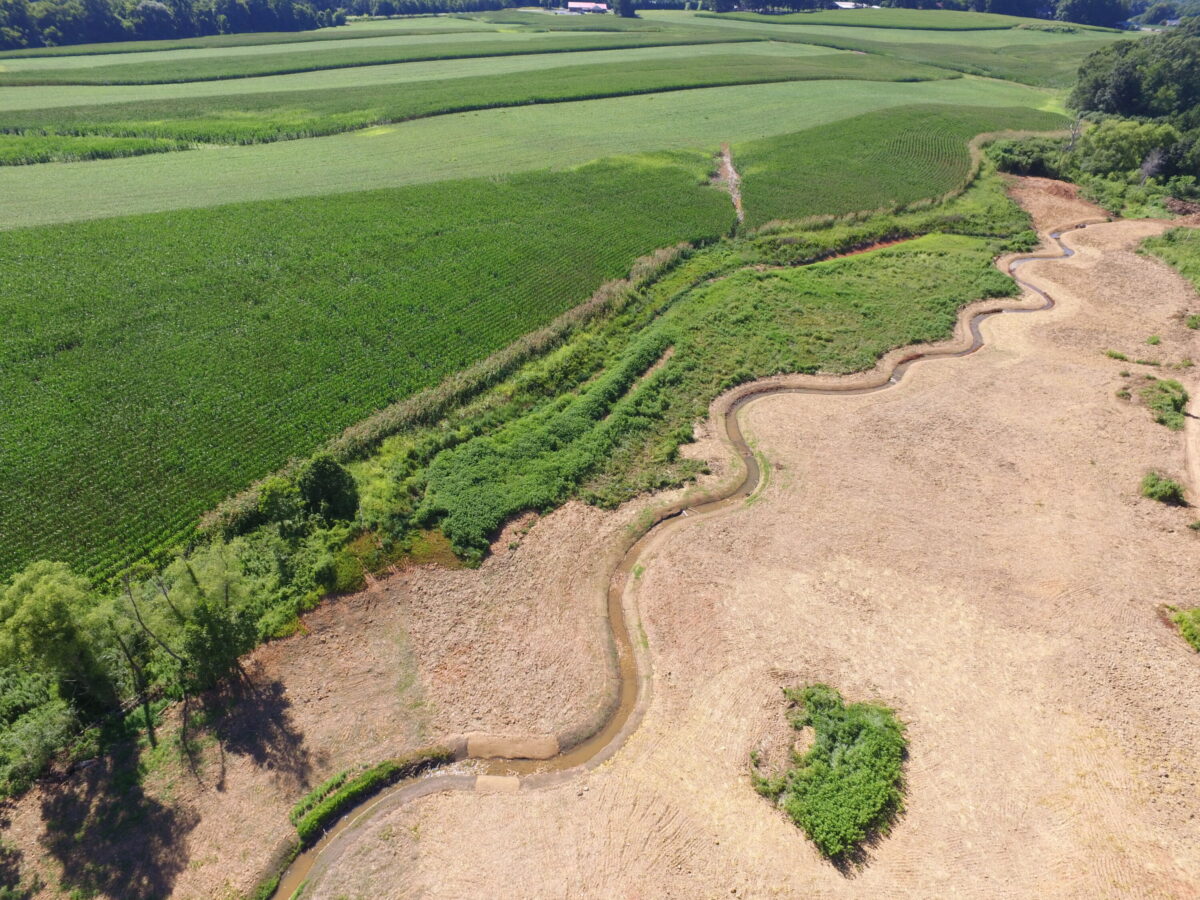
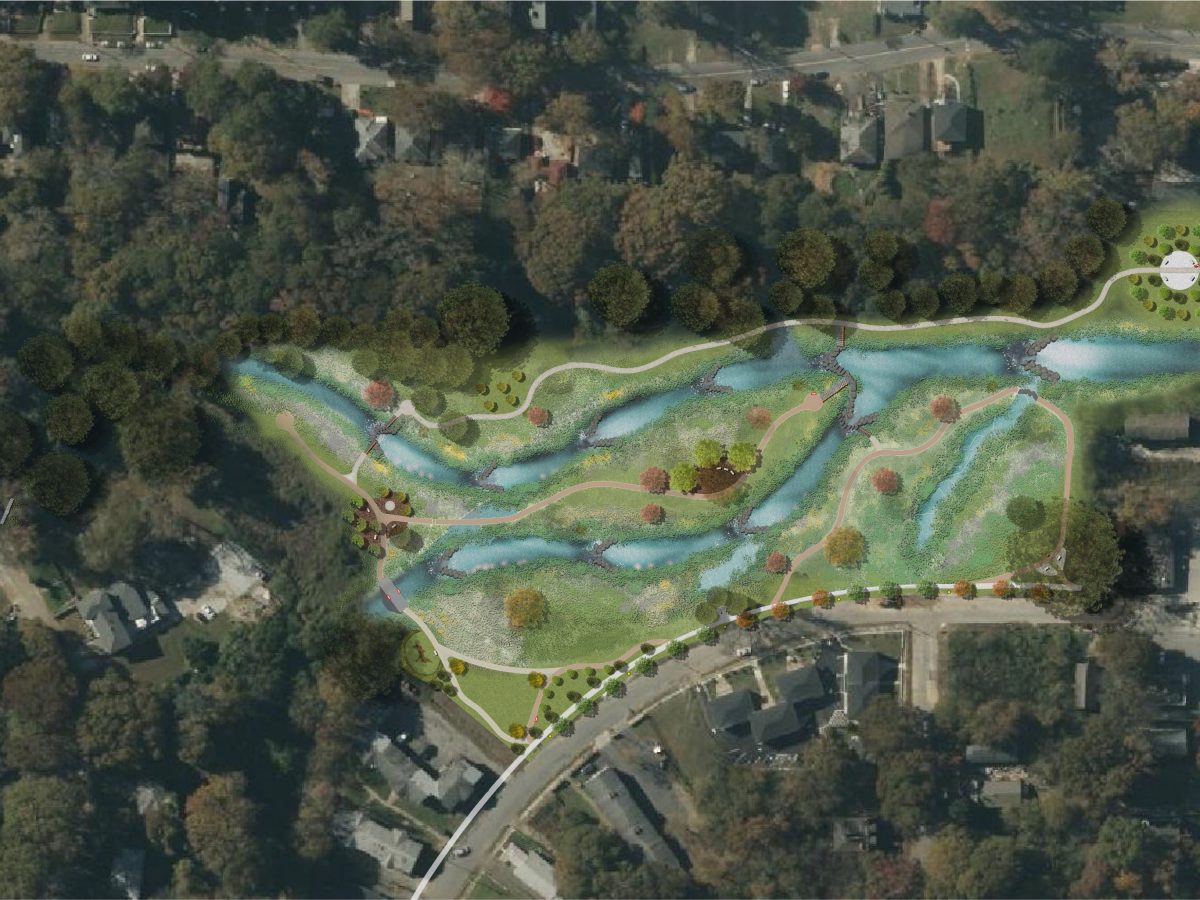
In suburban and rural areas, RES helps revive the natural functioning of streams and wetlands to help dissipate stormwater flows before they reach more populated areas. Stream and floodplain restoration reduce flooding impacts while often providing community amenities such as bike trails and greenways.
In urban environments, a range of projects can boost resiliency, including stormwater detention and retention ponds, rain gardens and vegetative buffers.
Coastal stability: Defending against storm surges and erosion
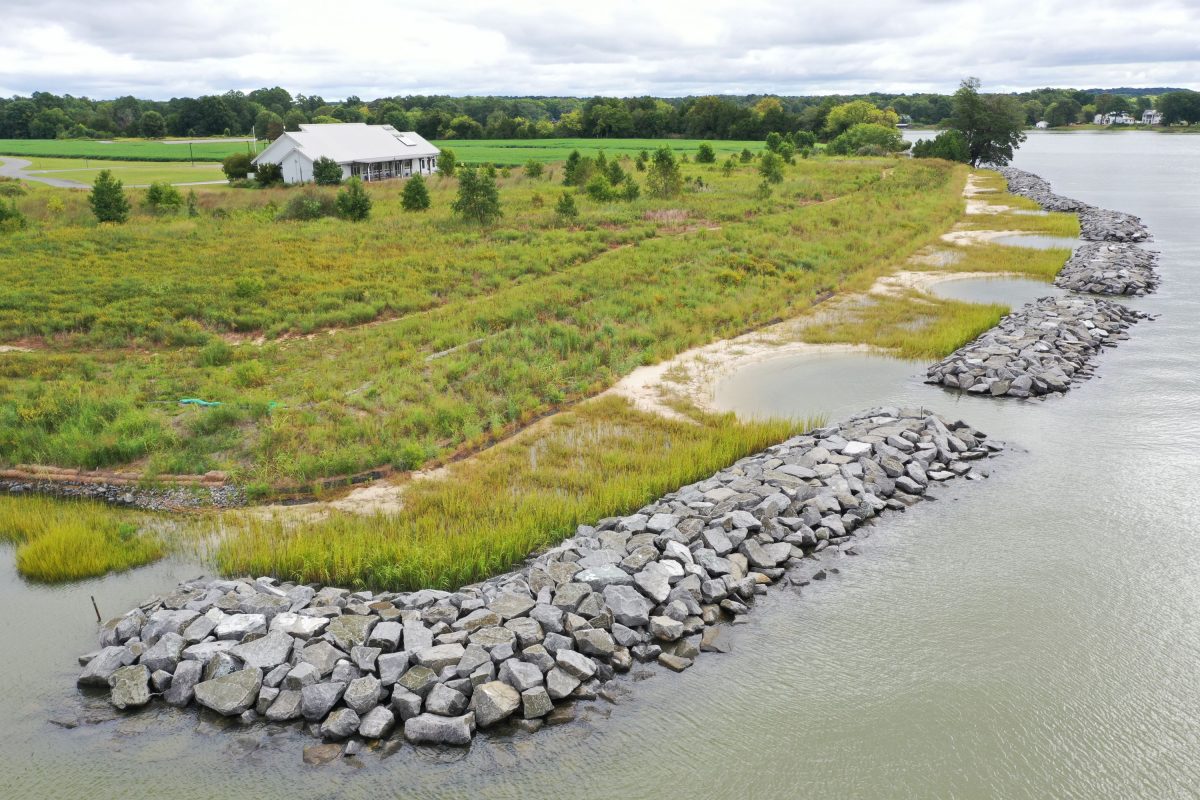
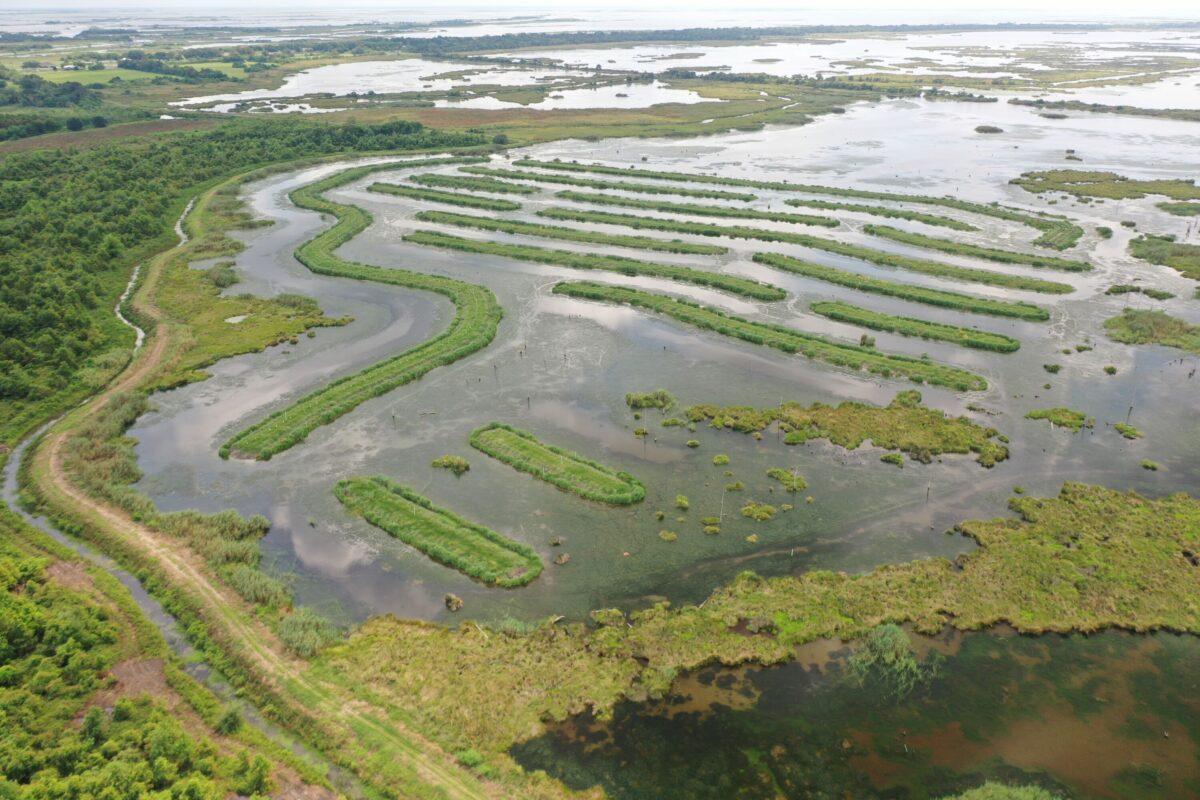
Revitalizing coastal wetlands helps buffer storm surges. Using natural materials to create living shorelines reduces erosion from the lower-energy waves along river and bayline shores.
Built structures such as dunes, terraces and wave attenuation projects help protect coastlines from higher-energy waves.
These and other coastal restoration applications also improve water quality and support marine habitats. They often work in conjunction with – and further protect – built infrastructure that is part of a region’s master plan for resiliency.
Water supply: Storage, cleaner water, and groundwater recharge potential
Stream and floodplain restoration slow down water, creating the conditions for aquifer recharge while also removing harmful sediments. Wetlands filter out pollutants using natural processes.
Protecting a community’s water supply is not only a common municipal mandate, but is increasingly championed by corporations seeking to be good citizens of water stewardship. RES can often help locate blended funding to support public/private partnerships around water stewardship and resiliency projects.
Building resilience through natural systems
Nature-based infrastructure can help communities and organizations prepare for flooding, erosion, storm surge, and other environmental stressors. Restored wetlands, streams, floodplains, and shorelines can slow and store water, reduce erosion, and complement traditional infrastructure while improving water quality, restoring habitat, and supporting biodiversity.
RES brings planning, design, construction, monitoring, and maintenance together within one integrated team. This continuity helps manage project risk, maintain accountability, and keep the work focused on clearly defined performance criteria and long-term results.
Case Studies
-
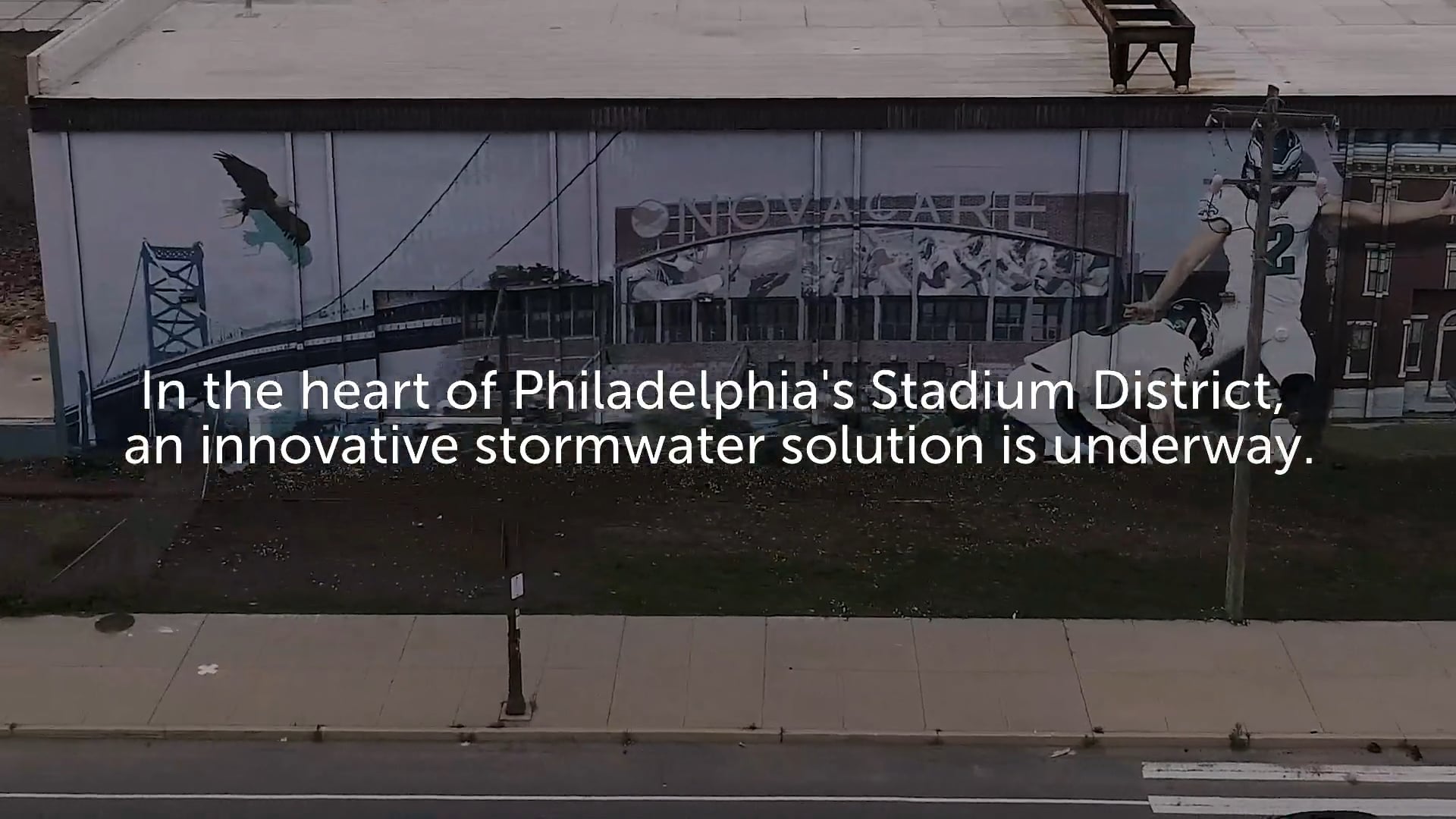
Stormwater Innovations: Darien Crossing Stormwater Detention Project
-
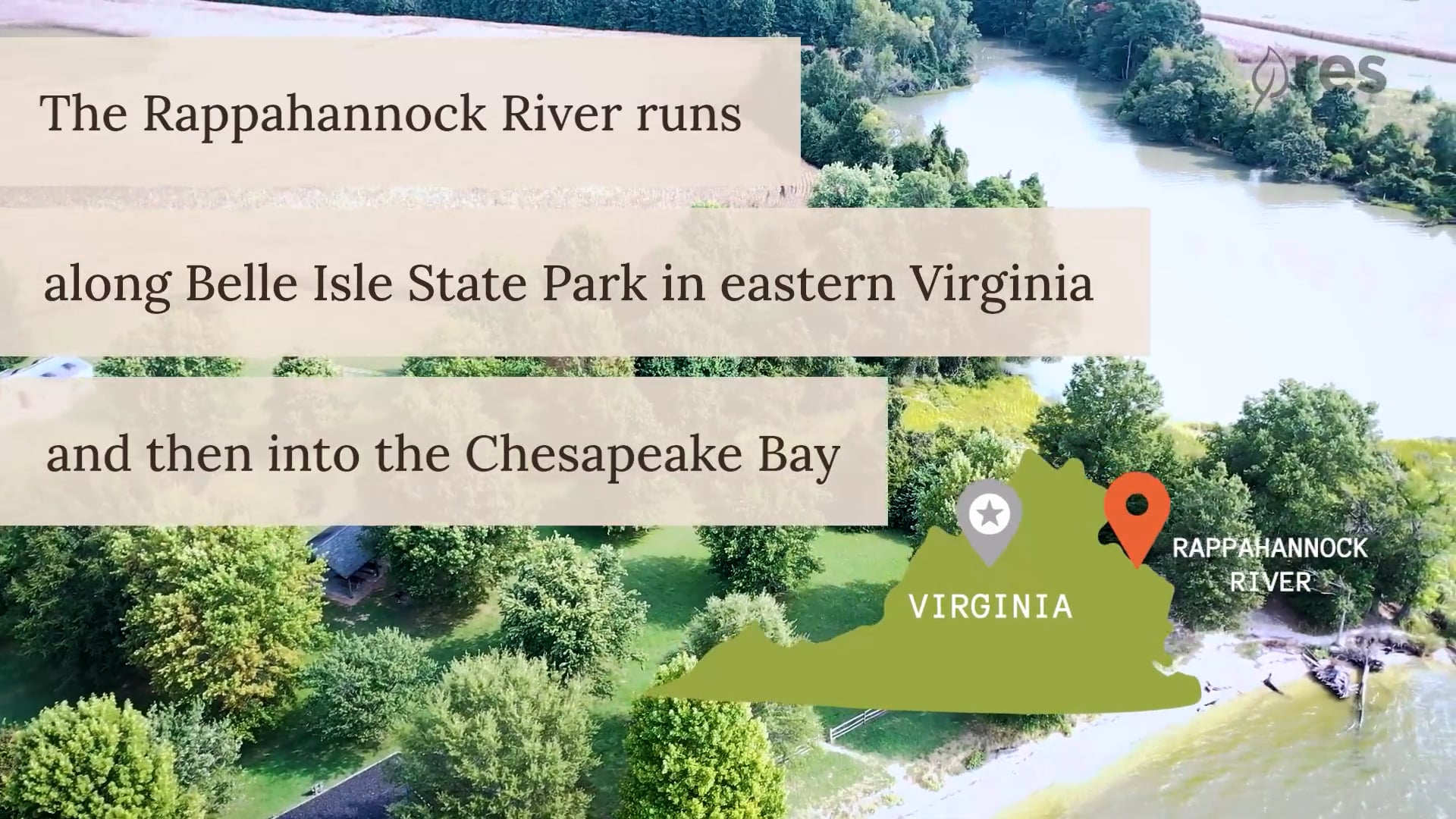
Belle Isle Living Shoreline
-
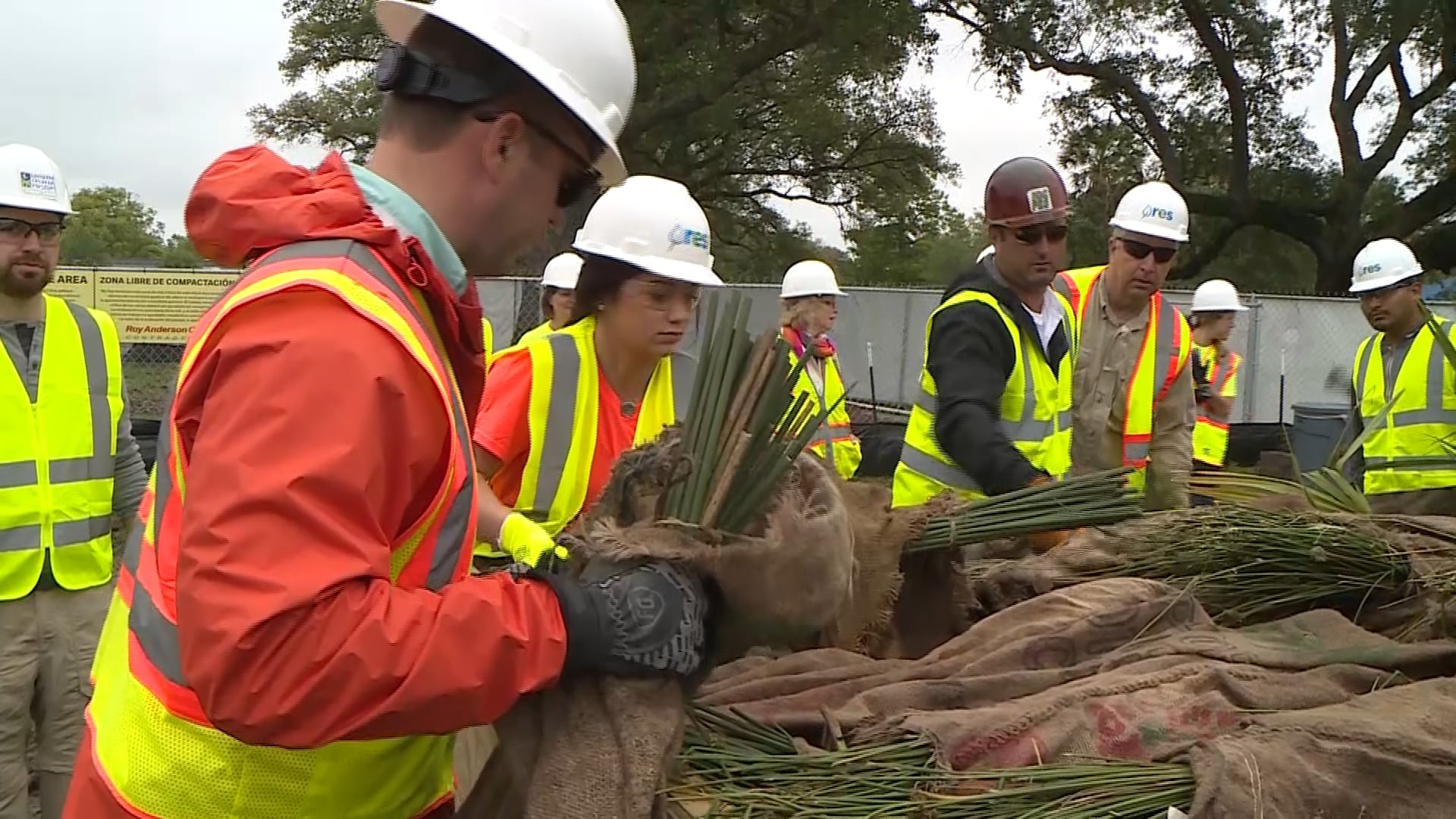
Case Study in Corporate Restoration: BHP Terrebonne Biodiversity & Resiliency Projects
Ask RES Experts
What are nature-based solutions for flood resilience? Nature-based solutions use wetlands, streams, floodplains, shorelines, vegetation, and other natural systems to help manage water and reduce flood impacts. They can slow and store stormwater, reduce erosion, and complement traditional flood-control infrastructure.
How can stream, wetland, and floodplain restoration reduce flooding? Restoration reconnects waterways with the landscapes that naturally store and slow water. Reconnected floodplains and functioning wetlands give high flows more room to spread out, helping reduce downstream pressure while improving habitat and water quality.
What nature-based solutions help protect coastal communities? Coastal resilience solutions can include living shorelines, tidal wetland restoration, marsh terraces, dune restoration, submerged aquatic vegetation, and wave-attenuation features. The appropriate approach depends on shoreline conditions, wave energy, erosion risk, and community goals.
Can nature-based solutions support water supply and water stewardship goals? Yes. Wetlands and restored floodplains can retain water, filter pollutants, and create conditions that support groundwater recharge. These projects may also help companies and communities advance measurable water stewardship and watershed-resilience goals.
How does RES help ensure resilience projects perform over time? RES integrates planning, design, construction, monitoring, and maintenance within one accountable team. Projects are evaluated against defined performance criteria, and RES provides performance guarantees aligned with the project’s scope and objectives.