
Environmental Mitigation
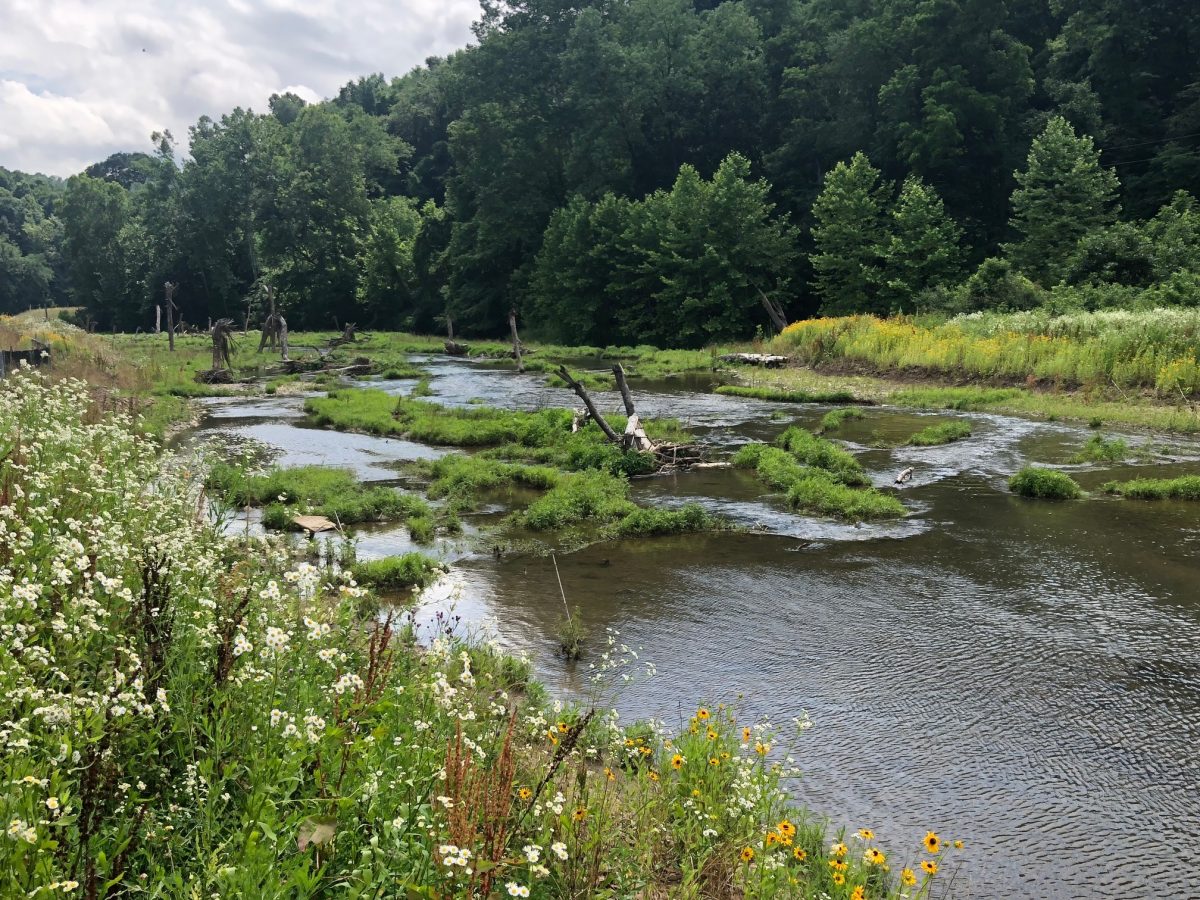
Minimizing impact through mitigation.
Mitigation projects are often mandated by regulations that require the replacement of natural ecosystems that development is permitted to impact. This replacement resource is called an offset.
Sites that generate offsets are often put under permanent conservation to ensure the ecosystem benefits are preserved in perpetuity.
The most commonly impacted ecosystems requiring mitigation offsets are wetlands, streams, and species habitats. Some states require mitigation for other locally specific types of impacts, such as water storage in Florida. Nutrient credits are a related type of offset, required to protect water quality, and are common in Virginia and other watersheds in the Chesapeake Bay area.
Visit our state pages or browse our mitigation map to see credits available in your state.
I think a lot of us in this company, we’re at our heart kind of problem solvers and we like challenges. Because if you can solve that challenge, it’s incredibly rewarding with the people you’re working with, and also the customer you’re working with, and the agencies. And challenges come up on big, complex projects all the time.
Jon Kasitz
RES Client Solutions Manager
Mitigation solutions that drive real ecological outcomes
Environmental mitigation isn’t just about compliance; it’s about creating lasting habitat recovery where development is happening. RES delivers mitigation strategies that address regulatory mandates while building self-sustaining ecosystems designed for long-term resilience.
Regulatory frameworks we address
Mitigation projects span multiple environmental statutes. Clean Water Act (CWA) mitigation protects aquatic systems and wetlands. Endangered Species Act (ESA) mitigation secures critical habitat for protected species. National Environmental Policy Act (NEPA) mitigation measures ensure development projects meet environmental impact standards. We also design mitigation for wetland and stream restoration, species habitat recovery, native vegetation restoration, and pollinator habitat establishment. Many projects integrate landscape-scale restoration (LSER) strategies that compound ecological benefits across entire watersheds.
Why Nature-based mitigation outperforms traditional approaches
Mitigation through ecological restoration delivers what conventional approaches can’t: prevention of ongoing habitat loss, measurable biodiversity gains, and self-sustaining systems that require minimal ongoing management. Water quality improves as restored vegetation and riparian systems filter runoff naturally. Equally important: mitigation creates protected ecosystems in watersheds where development is active—establishing offsets where they’re needed most. Ecological restoration at this scale typically wouldn’t happen without a dedicated mitigation program.
What sets RES apart
We don’t hand off sites at project close. RES commits to long-term stewardship of every mitigation site, monitoring, and adaptive management through the critical establishment phase until sites reach true self-sufficiency. This stewardship model means your mitigation becomes a genuine ecological asset, not just a compliance checkbox.
Ask RES: Understanding environmental mitigation
What is environmental mitigation?
Environmental mitigation is the process of replacing, restoring, or enhancing ecosystems that development is permitted to impact. When a project damages wetlands, streams, forests, or species habitat, regulatory agencies require mitigation, often called an offset, to compensate for that loss. Mitigation ensures ecological benefits are preserved in perpetuity, typically through permanent conservation easements.
What’s the difference between mitigation and restoration?
Mitigation is restoration that occurs because development impacts require it; it’s a regulatory mandate designed to offset ecological loss. Restoration can occur for any of the following reasons: habitat recovery, water quality improvement, species recovery, or watershed health. While all mitigation involves restoration, not all restoration is mitigation. RES also delivers standalone restoration projects that aren’t tied to regulatory offsets.
How do habitat offsets work?
When a development project impacts habitat, for example, 5 acres of wetland, regulators require an offset: the creation or restoration of equivalent or greater habitat elsewhere. RES designs and builds these offset sites to meet regulatory standards, then commits to long-term stewardship, monitoring, and adaptive management until the site reaches self-sufficiency. This ensures the habitat actually performs as promised, not just on paper.
What ecosystems require mitigation offsets?
The most commonly impacted ecosystems are wetlands, streams, and species habitat. Regulatory requirements vary by state and impact type. For example, Clean Water Act (CWA) mitigation is required for aquatic systems; Endangered Species Act (ESA) mitigation protects critical habitat for protected species. Some states mandate mitigation for locally specific impacts; for instance, Florida requires it for water storage. Virginia and other Chesapeake Bay watersheds require nutrient credits as a related offset type. Check your state-specific requirements or RES’s state pages.
Why does long-term stewardship matter in mitigation?
Mitigation sites often fail without proper management during the establishment phase. Monitoring, invasive species control, replanting, hydrologic adjustments, and adaptive management during the first 5–10 years determine whether a site actually achieves its ecological goals. RES commits to long-term stewardship through this critical window, and sometimes beyond, ensuring your mitigation becomes a genuine ecological asset rather than a compliance checkbox that underperforms.
How are mitigation sites monitored?
Regulatory agencies and RES monitor mitigation sites through regular site visits, vegetation surveys, hydrologic assessments, and biological sampling. Monitoring schedules depend on permit conditions and typically occur annually or semi-annually during the establishment phase, then less frequently as sites mature. Data collected informs adaptive management decisions; if something isn’t working, RES adjusts its approach in real time.
What is mitigation banking?
Mitigation banking allows developers to purchase credits from pre-established mitigation banks rather than building their own site-specific mitigation. Banks are fully permitted, constructed offset sites operated by specialized firms like RES. Developers buy credits in advance, use them to satisfy their regulatory requirements, and the bank operator manages the long-term stewardship. This can accelerate project timelines and reduce development-side complexity.