
Rainbow Creek Stream Restoration
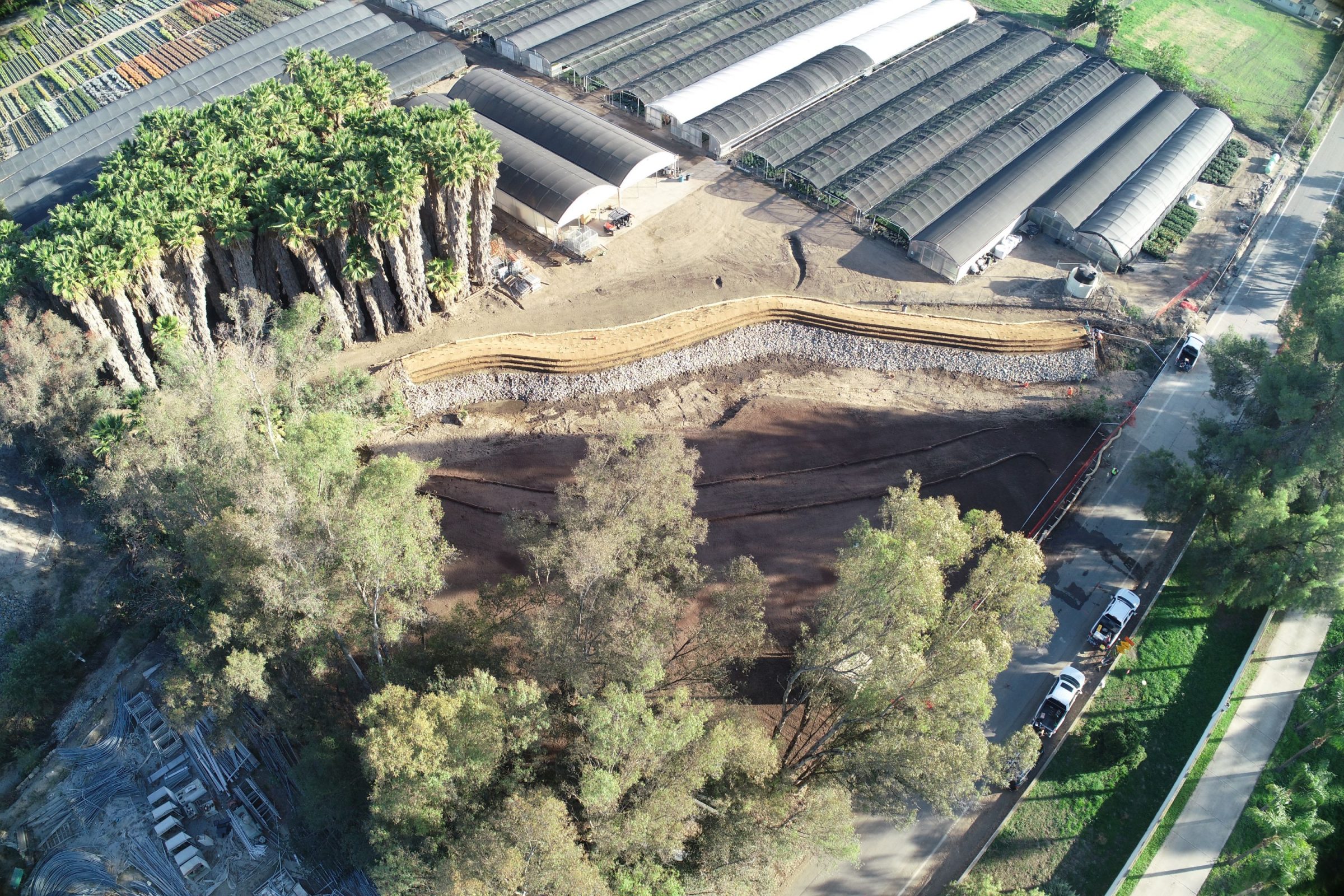
Rainbow Creek, post-construction
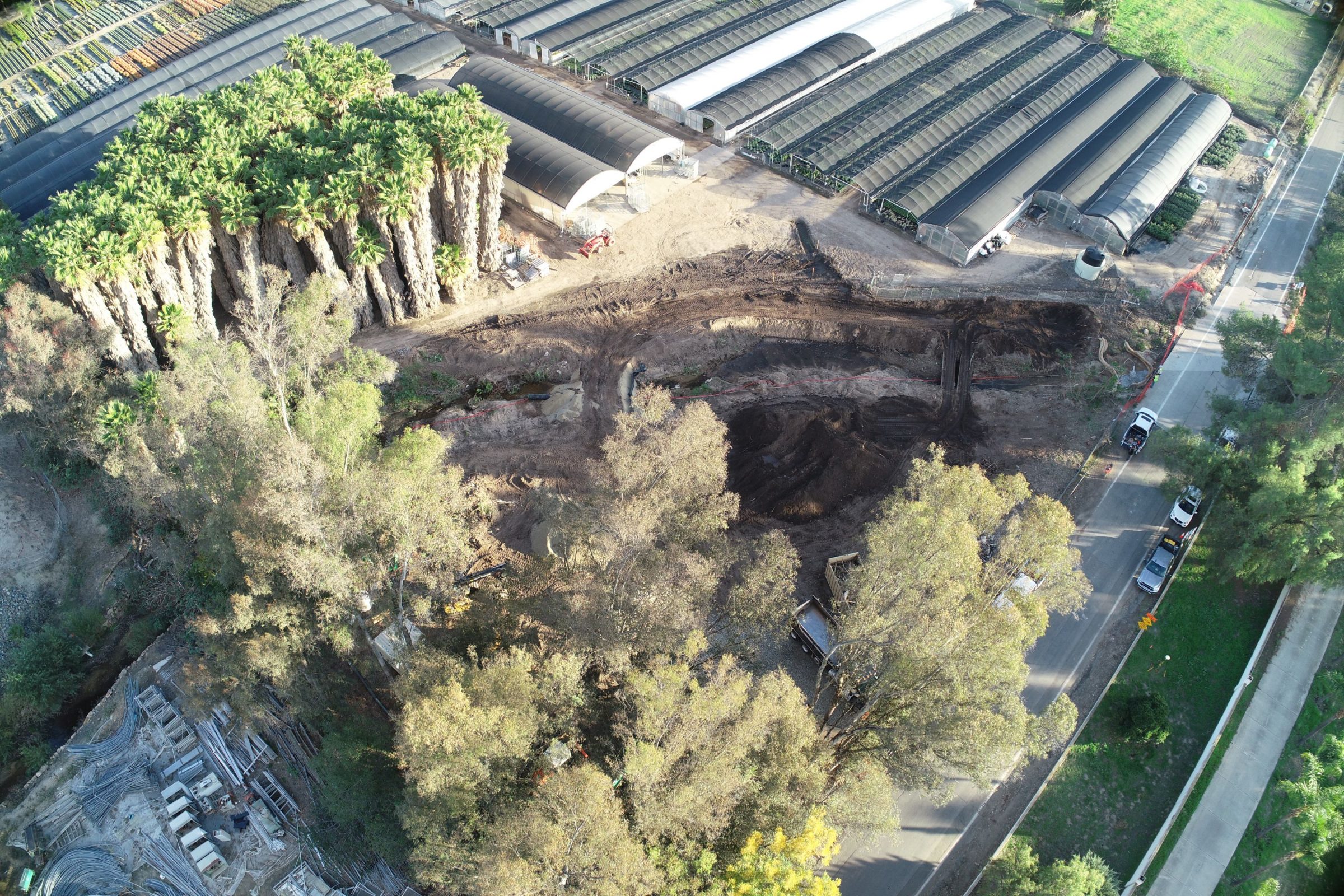
Rainbow Creek, during construction
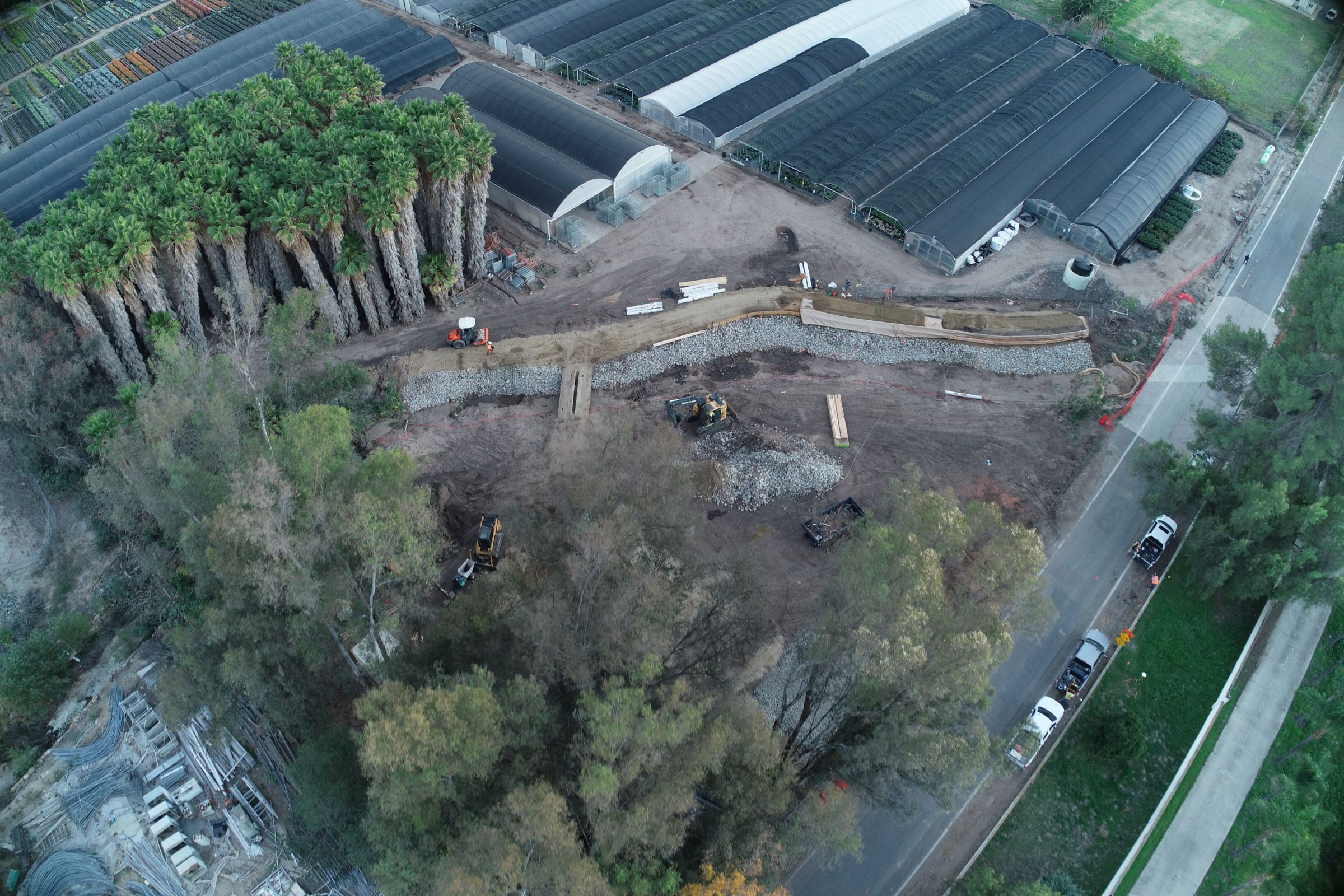
Rainbow Creek, during construction
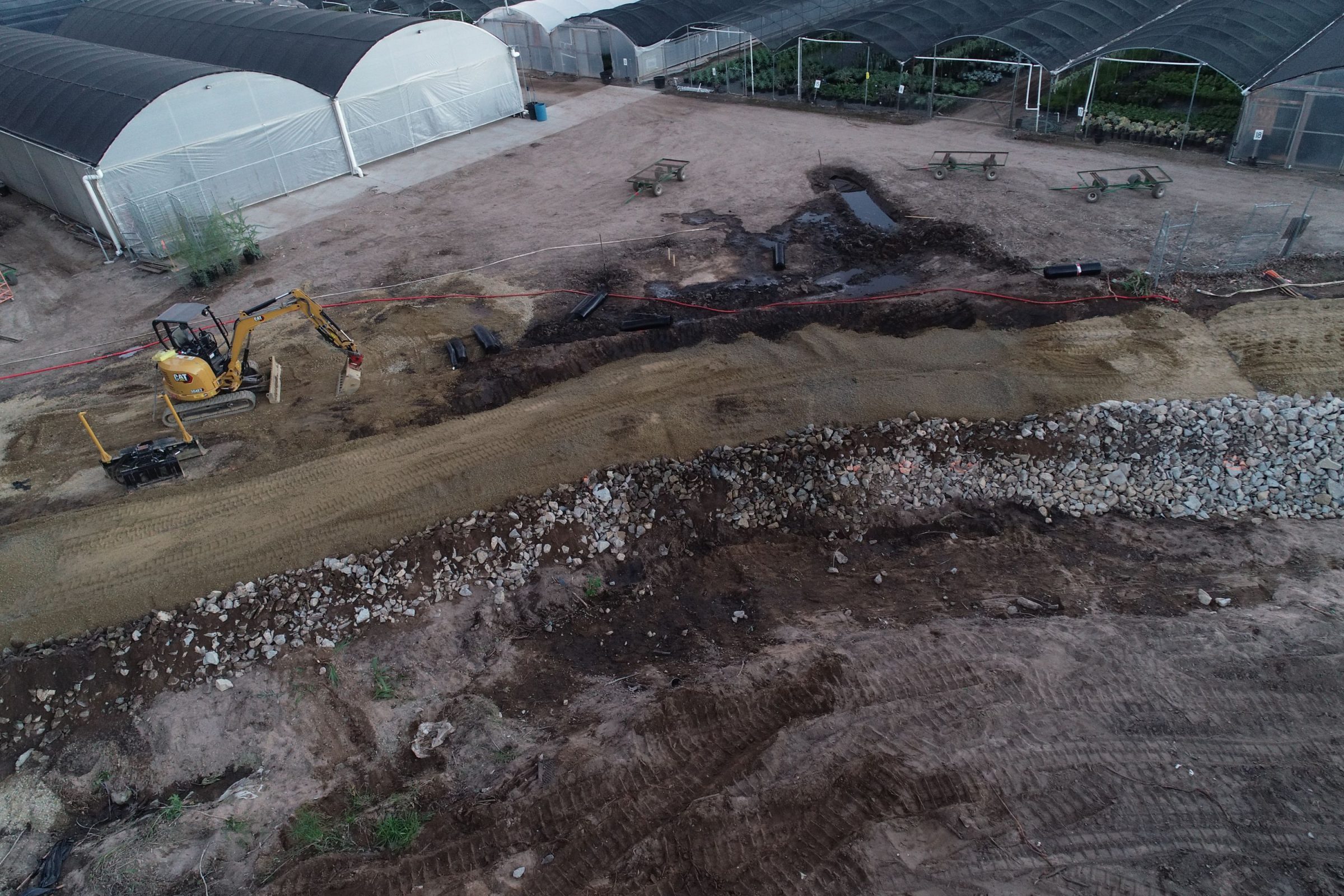
Rainbow Creek, during construction
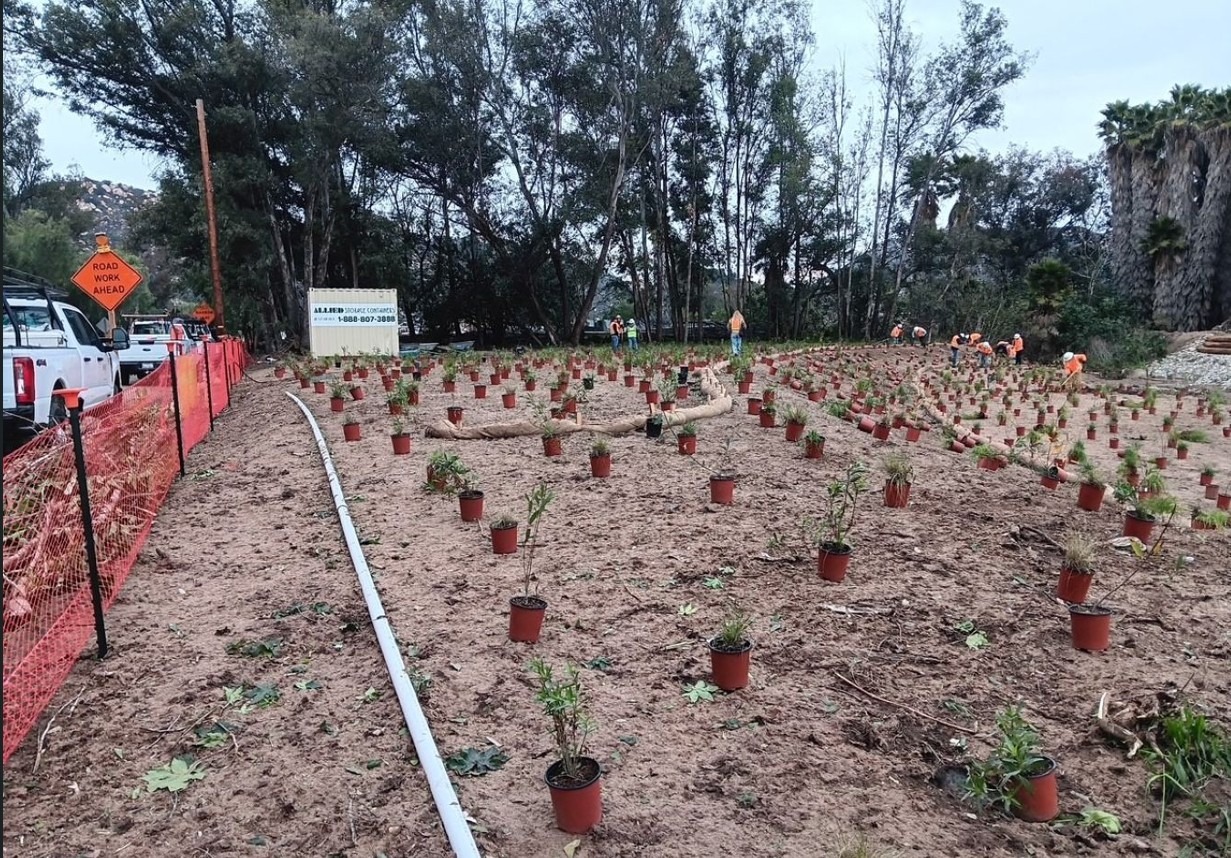
Rainbow Creek, planting
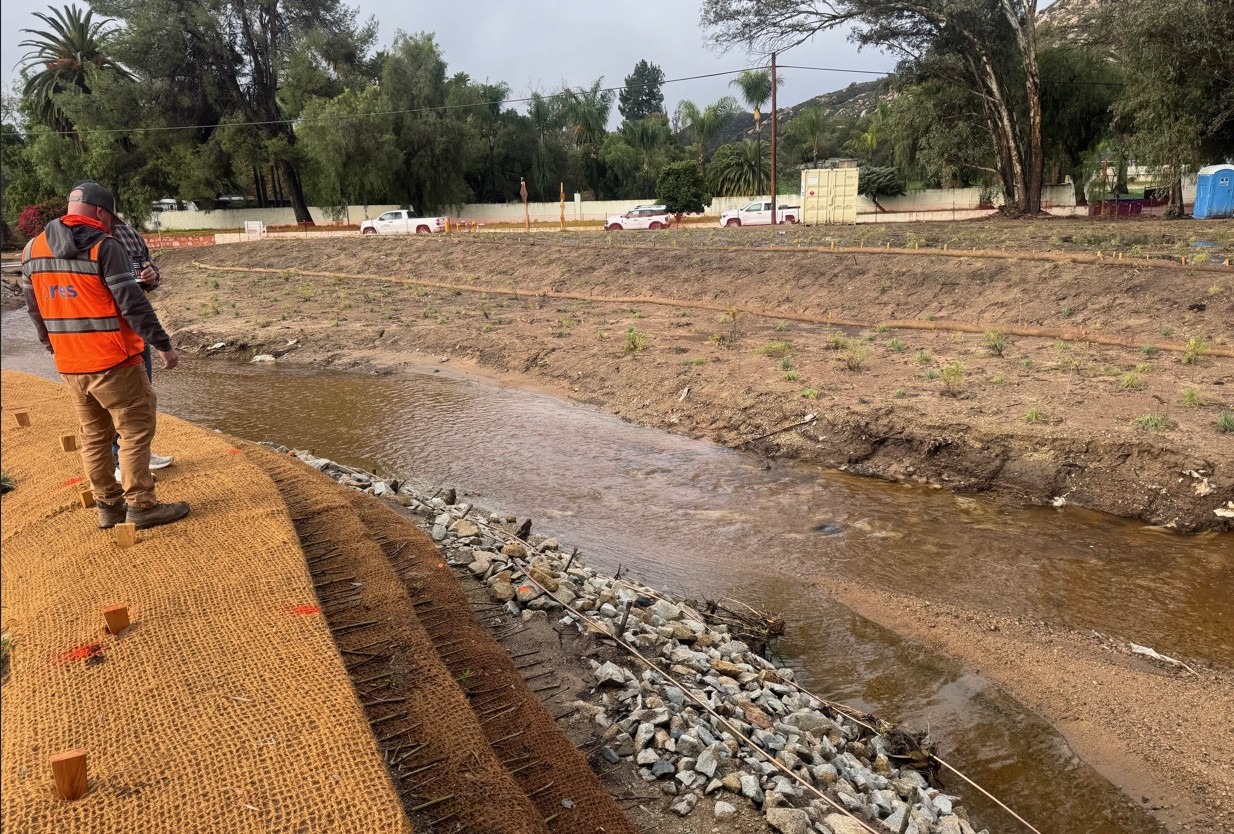
Rainbow Creek, vegetated soil lifts
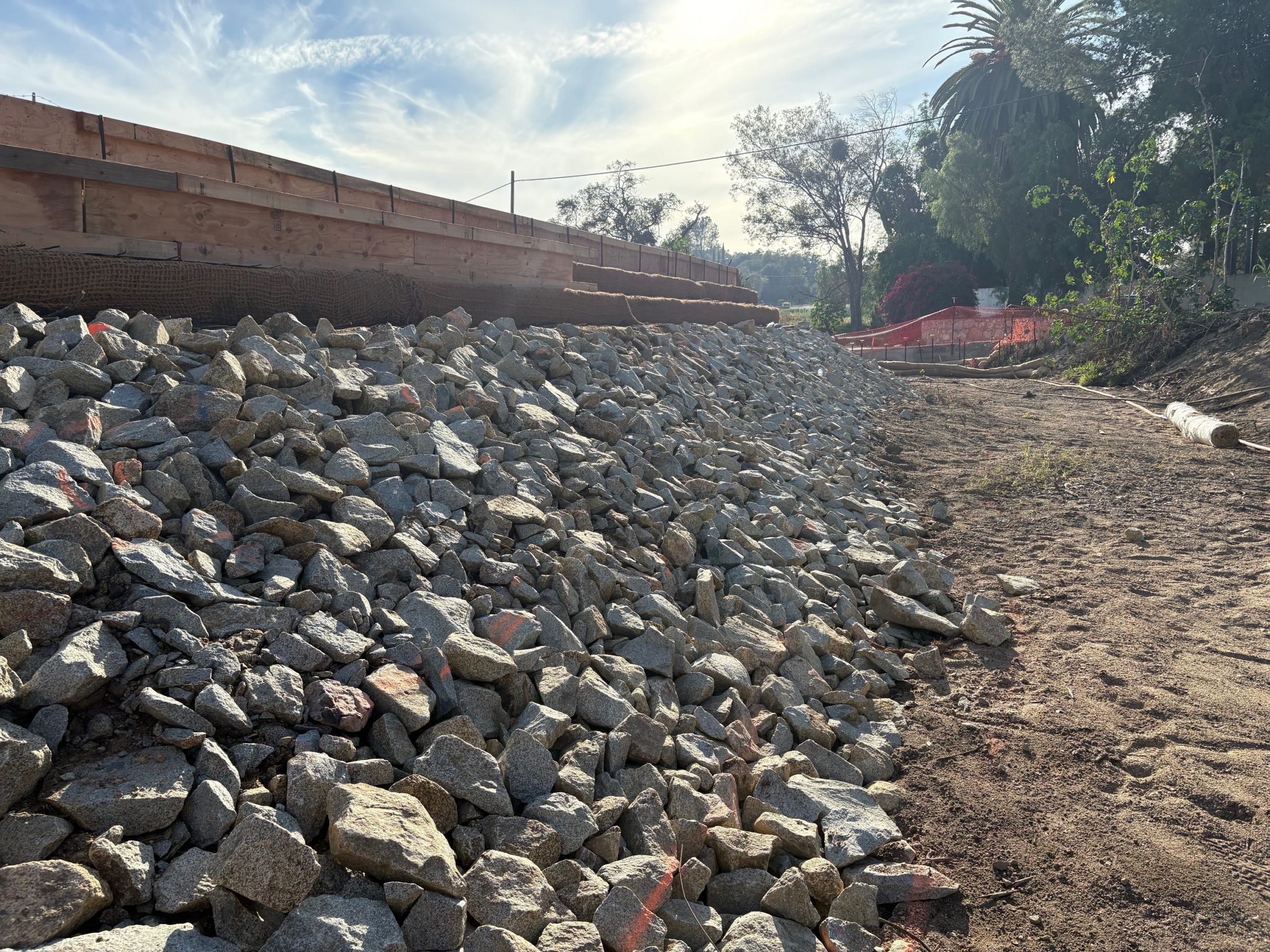
Rainbow Creek, vegetated soil lifts
PROJECT SNAPSHOT
Project Type
Non-Bank ProjectLocation
California | San Diego CountySolution
Water QualityEcological Setting
- Streams
- Urban
West Coast Credit Catalog
DownloadRainbow Creek is a waterway in San Diego County that runs through residential and natural areas within the surrounding watershed. Eroding banks, altered channel geometry, and a disconnected floodplain had compromised the creek’s natural function over time, affecting water quality and increasing vulnerability to storm damage.
RES was engaged as the prime design-build contractor to restore the creek’s ecological function and deliver measurable water quality improvements in support of Total Maximum Daily Load (TMDL) compliance.
The project used an integrated restoration approach tailored to the specific conditions of the Rainbow Creek watershed.
Bioengineered bank stabilization using Vegetated Soil Lifts (VSLs) addressed erosion at its source. This approach combined compacted soil lifts with layers of live woody cuttings (such as willow), which extend through the bank face and root over time. The resulting living structure provides immediate stability from the engineered soil mass and long-term reinforcement through root growth, improving resistance to shear stress and bank failure.
Permanent revegetation established native plant communities that support long-term water quality, habitat function, and bank stability.
RES managed the full project lifecycle under a single delivery model, integrating design, permitting, construction, and long-term performance monitoring. That continuity kept coordination across regulatory agencies efficient and the project on track, finishing ahead of schedule.
The completed project delivers measurable environmental benefits. An estimated 85 kilograms of nitrogen are removed from the watershed every year through increased floodplain interaction and nutrient uptake. Channel velocities and shear stress are reduced, sediment retention is improved, and water residence time during storm events is increased.
Rainbow Creek was named 2026 Project of the Year Award from the American Public Works Association (APWA) San Diego. Read more here.