
Dam Removal
SOLUTIONS
Dam Removal & River Restoration
Full service removal and river restoration for aging dams – planned, permitted, restored, and stewarded by one team.
TALK TO OUR RIVER RESTORATION TEAM
Resource Environmental Solutions (RES) provides full-service dam removal and river restoration across the United States — from a “remove and restore” approach for smaller dams to integrated, performance-based ecological restoration on the largest projects, including the Lower Klamath River, where RES leads the ecological restoration of the land and river following the largest dam removal in U.S. history. Every project is backed by RES financial surety and long-term stewardship.
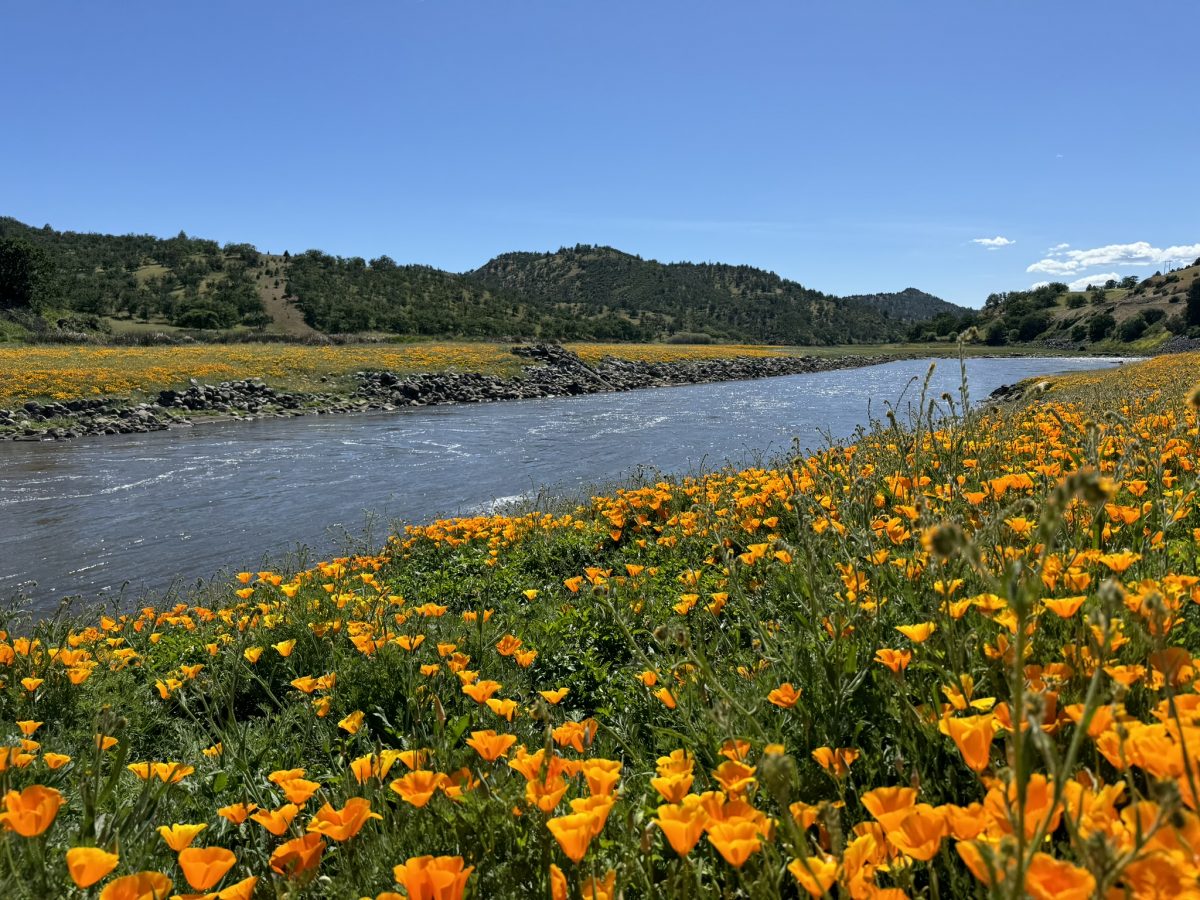
When a dam reaches the end of its life
The United States has more than 92,000 dams, with an average age of 61 years. As an owner or a community, you already feel what that means: rising maintenance and repair costs, mounting relicensing burdens, public-safety liability, and a structure that fragments the river habitat around it.
Older dams simply didn’t face today’s level of scrutiny on their impacts to ecosystems and tribal resources. So the question becomes a difficult one — how can a free-flowing river be restored, with the highest benefits and the lowest risk?
RES helps you answer it. We identify viable alternatives for removal and restoration, navigate funding and stakeholder concerns, match grants to projects to reduce the cost burden, and design for changing hydrologic conditions.
Ecologically sound approaches at every scale
For smaller dams, a “remove and restore” approach is possible — straightforward, ecologically sound deconstruction paired with river restoration techniques that return the waterway to natural function.
For larger-scale dams, RES partners with engineering firms to handle the full complexities of an integrated, well-planned operation, backed by RES financial surety and long-term stewardship.
Once a dam is removed, restoring the river becomes its own discipline, and RES handles that work end to end:
- Revegetates the former reservoir footprint.
- Stabilizes the banks and any remaining sediment.
- Re-establishes tributaries.
- Monitors downstream water quality and aquatic species health, applying adaptive management as needed.
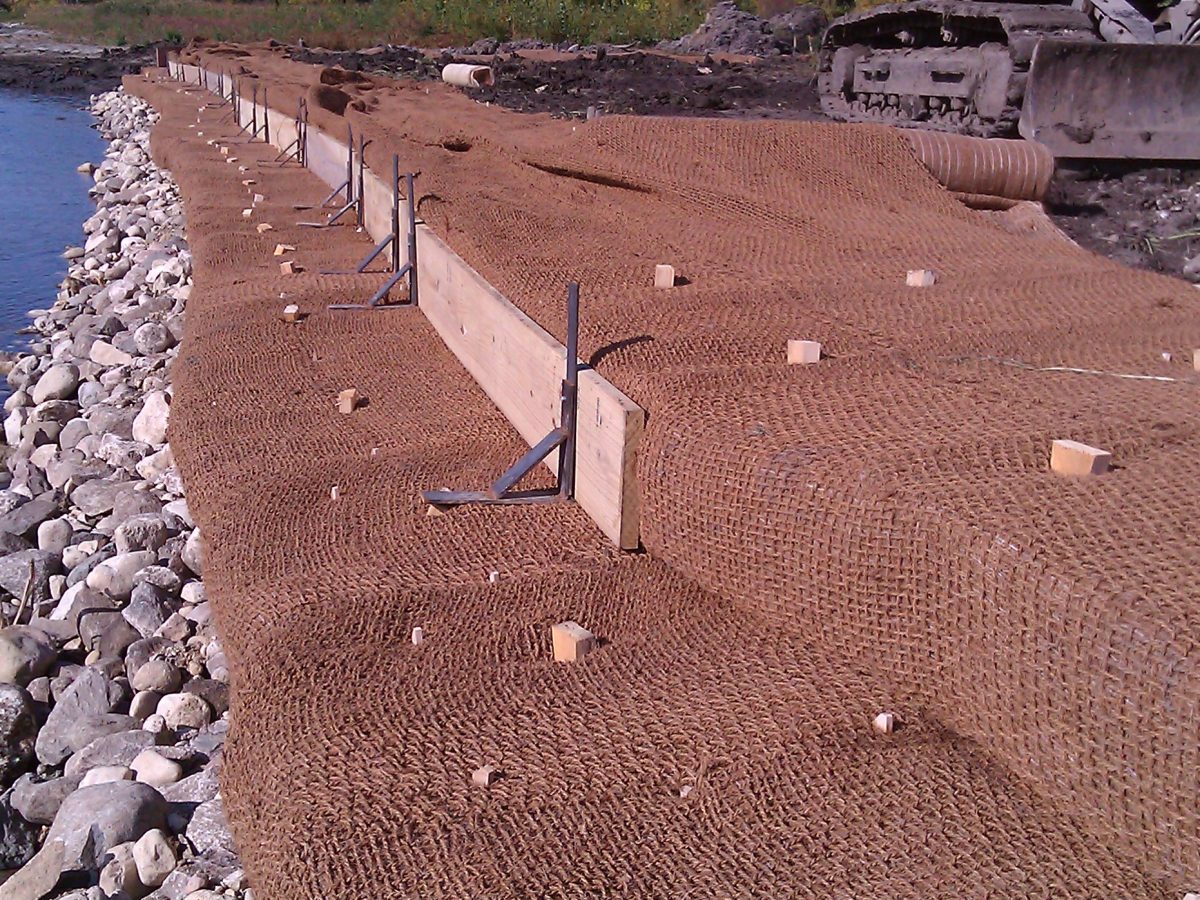
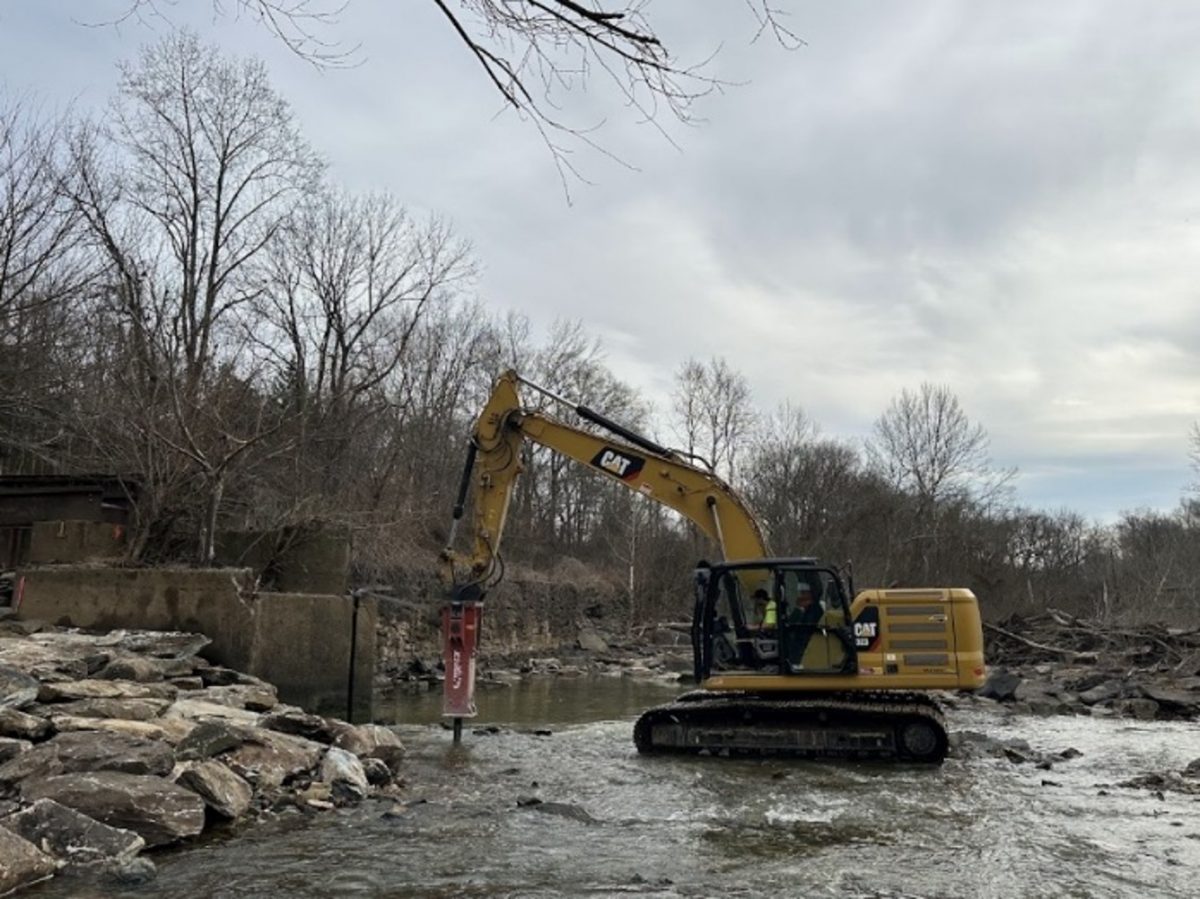
Integrated delivery, from assessment to stewardship
Integrated delivery means one team is accountable for the entire project. RES provides assessment and analysis, design, permitting, construction implementation, inspection, and monitoring — and stands behind the result with long-term stewardship and performance-based contracting.
That structure is what lets us guarantee outcomes rather than deliverables. You aren’t buying a sequence of services; you’re buying a restored, free-flowing river.
Klamath River restoration
The Lower Klamath River Restoration and Dam Removal Project in Northern California and Southern Oregon is the largest such project in U.S. history. Following the removal of four dams, RES launched an extensive restoration effort in 2024 to restore the land and bring back free-flowing conditions and fish passage across more than 400 miles of previously fragmented habitat.
RES brought its hallmark principles of long-term stewardship and performance-based contracting to the project, developing — with the Klamath River Renewal Corporation (KRRC), the states of California and Oregon, and the dam owner — a unique contractual structure that transfers responsibility to RES for achieving the project’s long-term restoration goals. Our design team includes national and local experts in botany, ecology, geomorphology, fisheries, stream and river restoration, and project management, working in close collaboration with state and federal agencies, conservation groups, and the Yurok, Klamath, Karuk, Shasta Indian Nation, and other Indigenous tribes who have stewarded this ecosystem for millennia.
Beyond dam removal: fish passage and aquatic organism passage (AOP)
Your river’s health doesn’t stop at the dam. RES’s expertise in salmonids, river herring, and other diadromous fish species means we can improve water flow and restore access to spawning habitat at every scale.
Aquatic organism passage (AOP) — the ability of fish and other species to move freely through a river system — is not just a dam issue. Road-stream crossings also block passage into vital spawning areas, fragment populations, and are vulnerable during floods. RES resolves AOP barriers at every level, from herpetological to mussels to integrated mammal passage. We know more than water and fish pass through a culvert.
And if a dam needs to stay in place? RES designs bypass channels and nature-like fishways, as well as float park cascades that add local recreation.
The benefits reach well beyond the project site. Reopening a single segment of a fragmented river can improve water quality far downstream and across the watershed, and reconnecting tributaries has a multiplying effect on fish habitat.
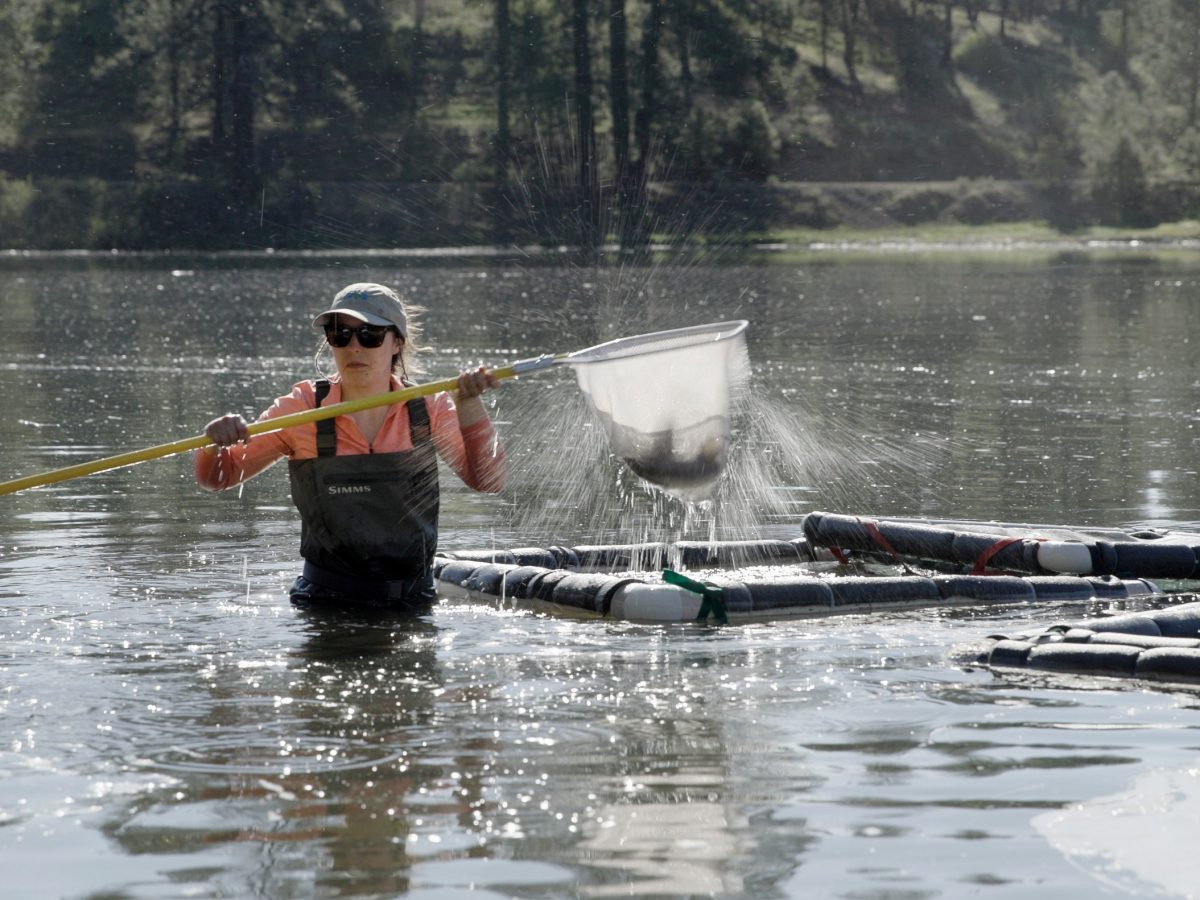
Project experience
-
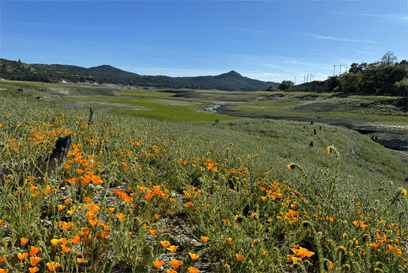
Lower Klamath River — Klamath River, CA & OR
-
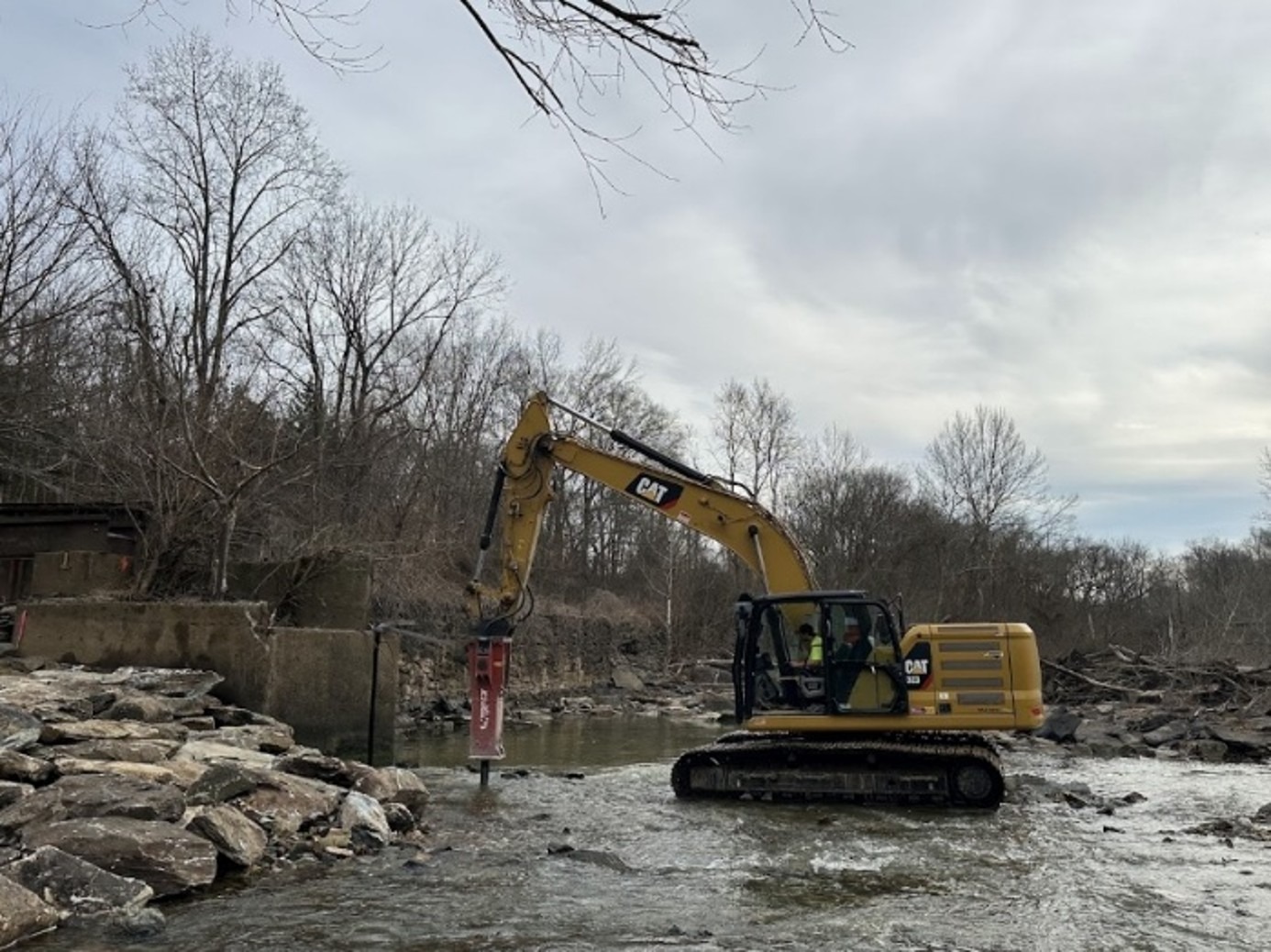
Ramseur Dam Removal — Deep River, NC
-
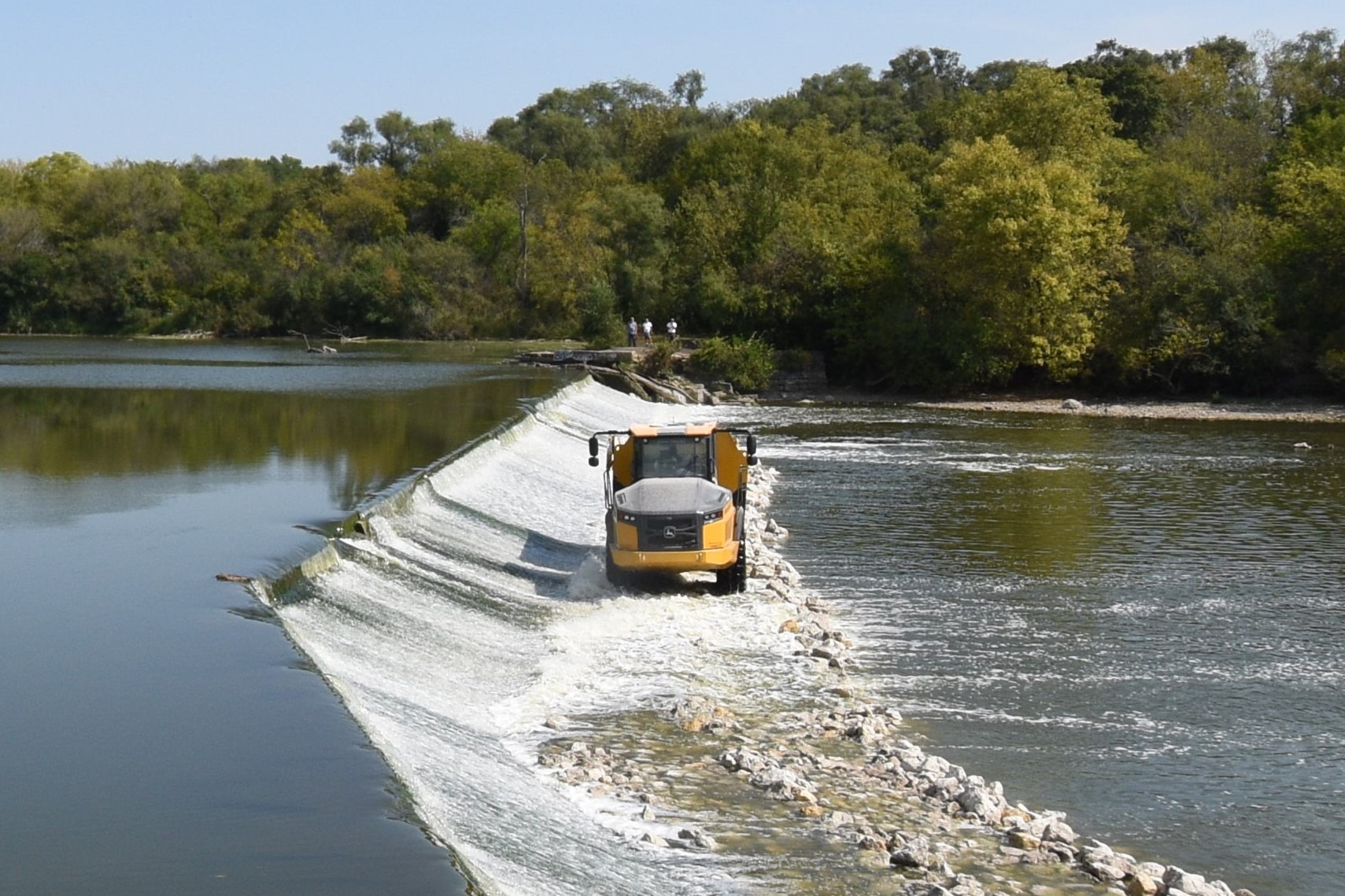
Carpentersville Dam Removal — Fox River, IL
-
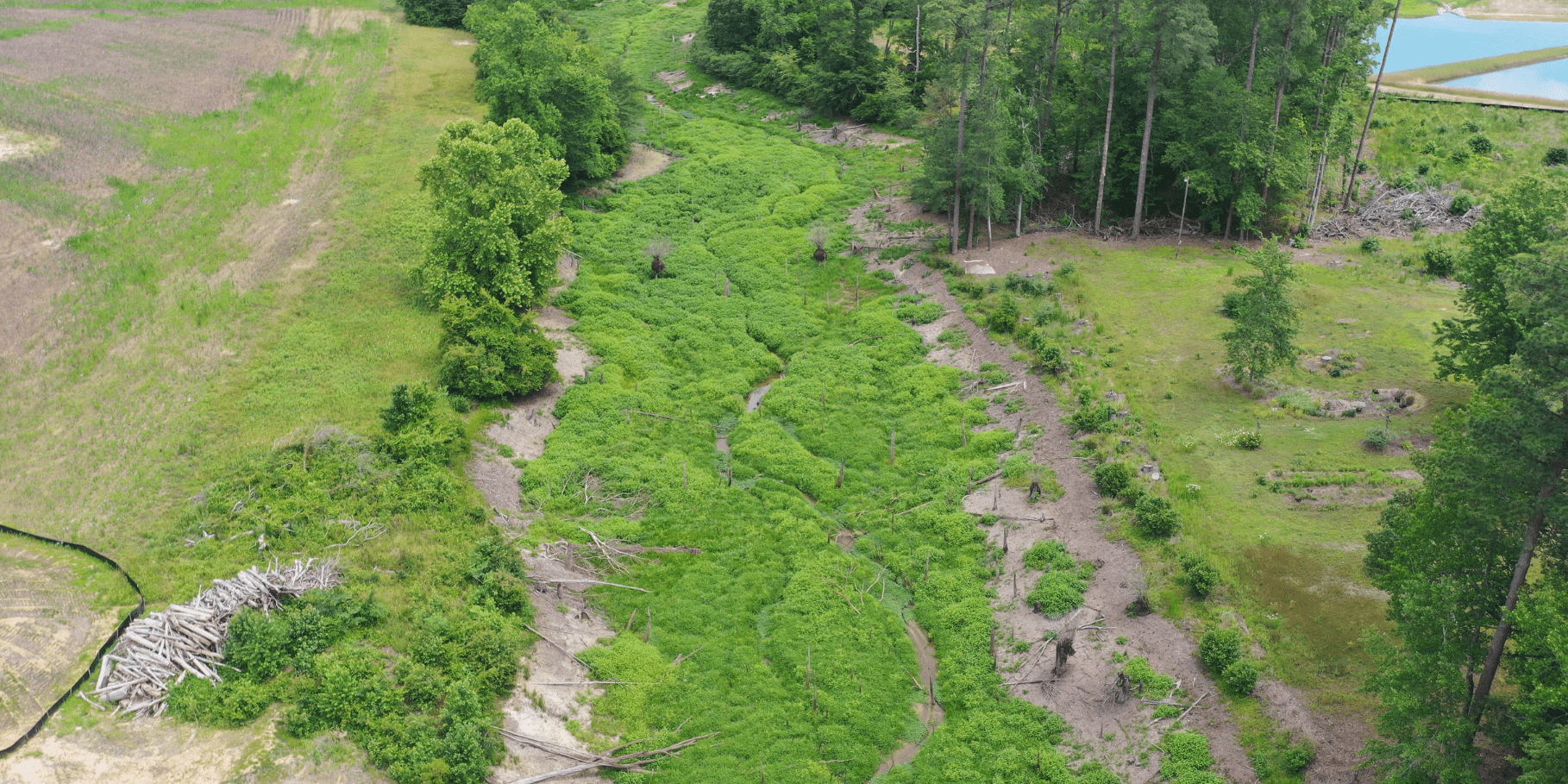
Port 460 Logistics Center — Suffolk, VA
Frequently asked questions
Does RES remove large dams?
RES delivers dam removal at every scale. On smaller dams, RES self-performs the deconstruction through its “remove and restore” approach. On larger-scale dams, RES partners with engineering firms that lead the deconstruction and takes responsibility for the river and land restoration that follows — as on the Lower Klamath Project, the largest dam removal in U.S. history, where RES is leading the restoration after the four dams were removed.
What is the “remove and restore” approach?
“Remove and restore” is RES’s approach for smaller dams: straightforward, ecologically sound deconstruction paired with river restoration techniques that return the waterway to natural function.
What is the largest dam removal project in the United States?
The Lower Klamath River Project in California and Oregon is the largest dam removal and river restoration project in U.S. history. Its four dams were removed as of October 2024, reopening more than 400 miles of habitat, and RES is leading the river restoration using 20 billion native seeds and hundreds of thousands of native plants, plugs, and bareroot trees.
How are dam removal projects funded?
Funding is a common hurdle, and RES helps owners navigate it — matching grants to projects to reduce the cost burden and designing for changing hydrologic conditions. Dam removal can also generate stream mitigation credits, as on the Port 460 project in Virginia.
What can RES do if a dam needs to stay in place?
RES designs bypass channels and nature-like fishways to restore aquatic organism passage around the remaining dam.
What is aquatic organism passage (AOP)?
Aquatic organism passage (AOP) is the ability of fish and other aquatic species to move freely through a river system. RES resolves AOP barriers at dams and at road-stream crossings, for species ranging from salmonids and river herring to herpetofauna, mussels, and mammals.