
Land Reclamation
Solutions
Design-build reclamation for active mines, landfills, abandoned mine lands (AML), and industrial sites where environmental risk, regulatory pressure, and long-term performance matter.
RES provides mine reclamation services, AML reclamation, landfill reclamation, and industrial site restoration for operators, landowners, and public agencies. We help stabilize disturbed land, manage mine water, restore streams and wetlands, support bond release, and deliver durable outcomes through a design-build-maintain approach.
Reclamation challenges facing industrial and mining sites
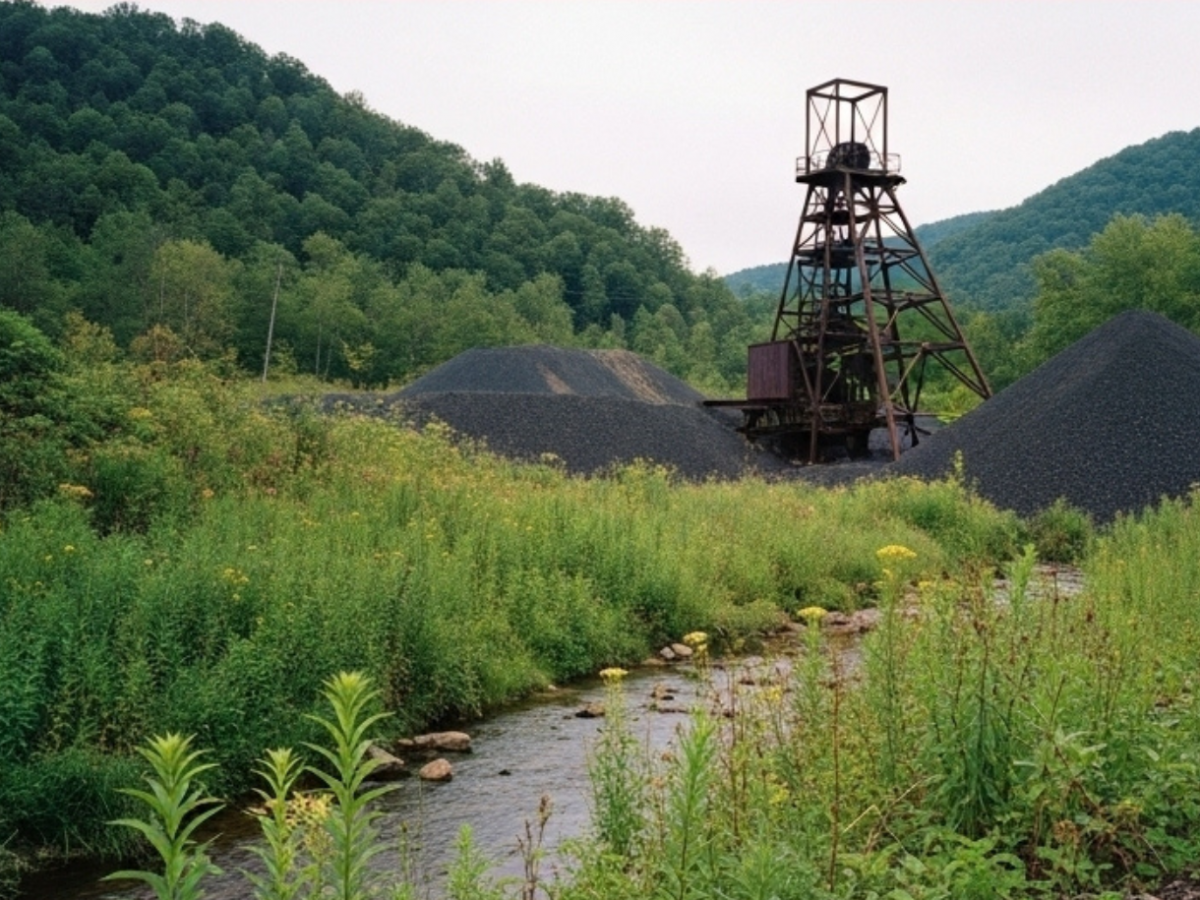
What we deliver
RES delivers integrated reclamation services from site assessment and planning through design, construction, monitoring, and long-term stewardship. Our team helps stabilize disturbed land, manage mine water, restore ecological function, support permitting, and create durable outcomes for active mines, abandoned mine lands, landfills, and complex industrial sites.
- Mitigation Banking and Permittee-Responsible Mitigation (PRM)
RES-operated mitigation banks and on-site PRM solutions to support permitting, schedule certainty, and regulatory compliance. - Soil, Spoil, and Waste Rock Stabilization
Consolidation, capping, grading, erosion control, and revegetation to stabilize disturbed mine and industrial sites. - Acid Mine Drainage and Mine Water Treatment
Passive and engineered treatment systems designed around site conditions, water chemistry, and long-term performance goals. - Stream and Wetland Restoration
Restoration of aquatic resources affected by mining, landfill, or industrial disturbance, including permitting and mitigation support where needed. - Native Revegetation and Soil Rebuilding
Site-specific soil amendments, native seed mixes, planting plans, and establishment monitoring to support durable vegetative cover. - Design-Build-Maintain Reclamation Delivery
One accountable team for planning, design, construction, monitoring, maintenance, and long-term stewardship.
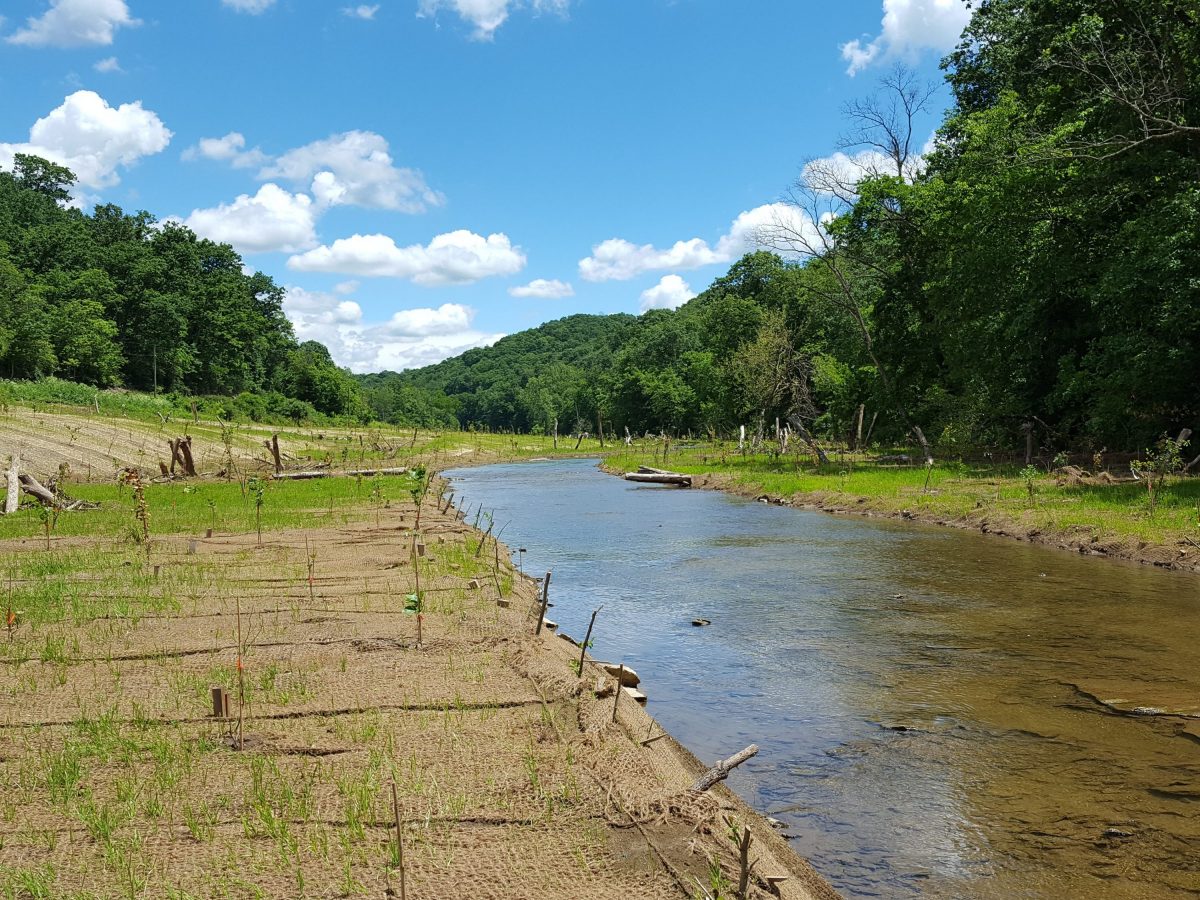
Why clients choose RES for reclamation projects
RES brings ecological restoration expertise, regulatory experience, construction delivery, and stewardship together under one accountable team. Our reclamation work spans active and legacy mine sites, abandoned mine lands, landfills, industrial properties, streams, wetlands, and native habitat restoration.
Because RES plans, builds, monitors, and maintains restoration projects, clients can reduce handoffs, improve schedule certainty, and keep reclamation work aligned with regulatory requirements and performance goals.
- Integrated delivery: One team for planning, design, construction, monitoring, maintenance, and stewardship.
- Ecological restoration depth: Practical experience restoring streams, wetlands, native vegetation, soils, and habitat on complex sites.
- Regulatory alignment: Reclamation strategies designed to support permitting, compliance, bond release, and closeout requirements.
- Long-term accountability: Solutions built for durable performance, not just construction completion.
- Site-specific implementation: Reclamation approaches tailored to each site’s soils, hydrology, vegetation, water quality, safety risks, and future land use.
Featured reclamation projects
RES applies reclamation experience across mine, landfill, industrial, and impaired sites where environmental risk, regulatory requirements, and community expectations intersect. These projects show how integrated planning, construction, ecological restoration, and long-term stewardship can turn disturbed land into stable, functional landscapes.
- Meadow Fork Clogged Stream | West Virginia: A design-build reclamation project addressing abandoned mine land impacts, site stabilization, water quality, and ecological recovery.
- Cherokee County Superfund Site Wetland Restoration | Kansas: A complex remediation and ecological restoration project requiring regulatory coordination, environmental risk management, and durable site recovery.
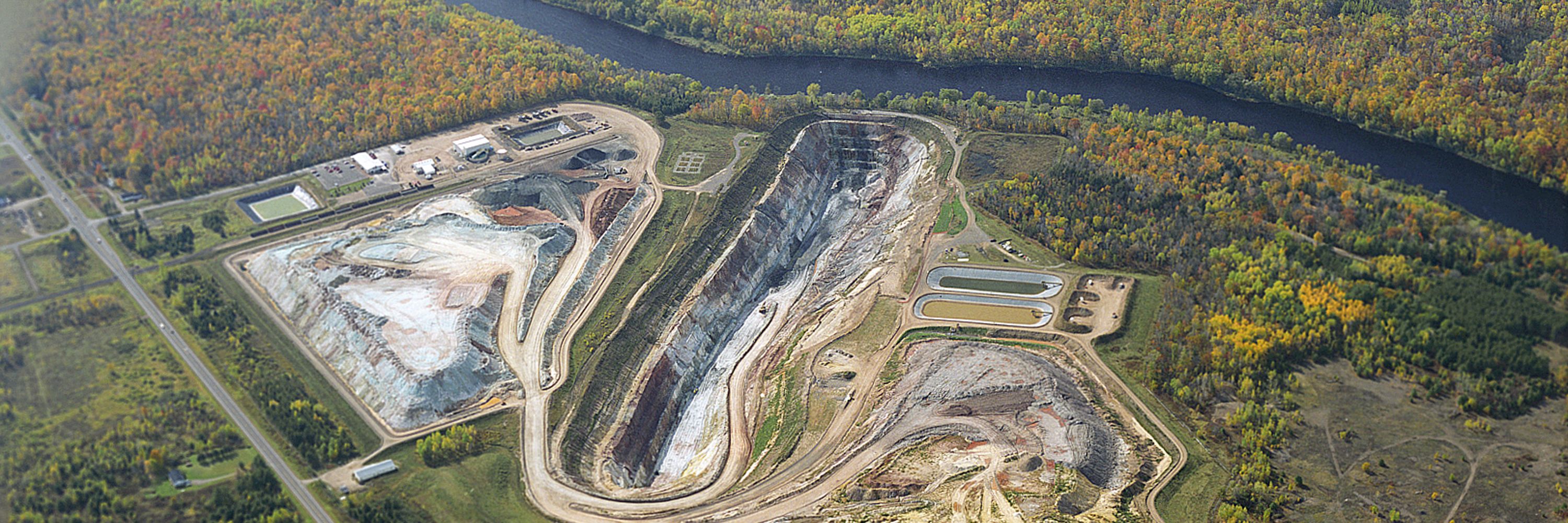
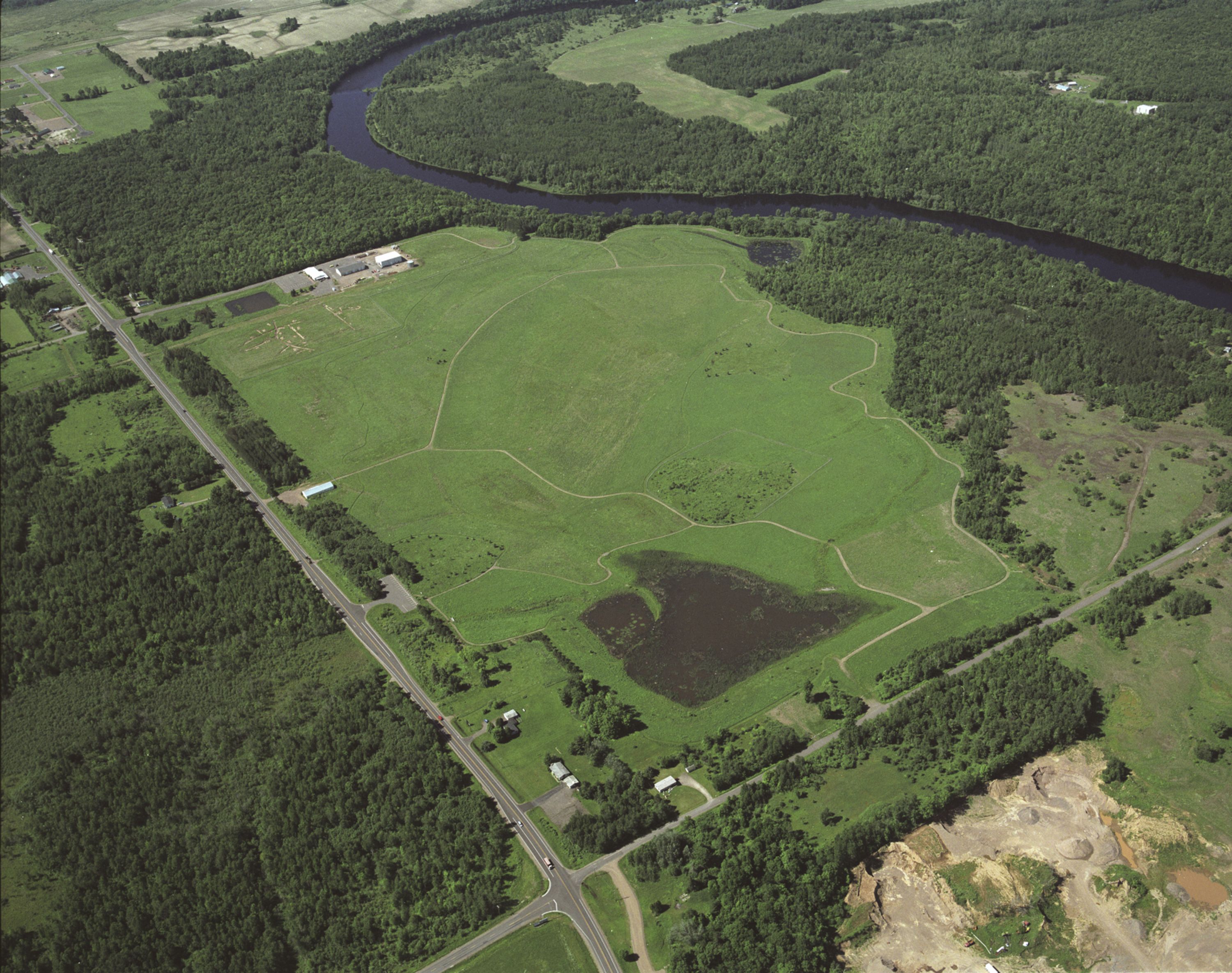
- Flambeau Mine Reclamation | Wisconsin: A nationally recognized mine reclamation project involving grading, native revegetation, ecological monitoring, and regulatory closure.
Reclamation services for operators, agencies, and landowners
RES supports reclamation projects for:
- Mine operators and abandoned mine land (AML) programs: Reclamation planning, stabilization, revegetation, water management, bond release support, and AML project delivery.
- Utilities and energy companies: Site restoration, mitigation, permitting support, and long-term stewardship for complex or disturbed properties.
- Industrial landowners and developers: Reclamation strategies that reduce site liability, support redevelopment, and restore ecological function.
- Public agencies managing legacy sites: Design-build delivery, ecological restoration, monitoring, and maintenance for publicly funded reclamation and remediation projects.
If a site carries environmental risk, regulatory complexity, or long-term responsibility, RES is built to support it.
Related resources
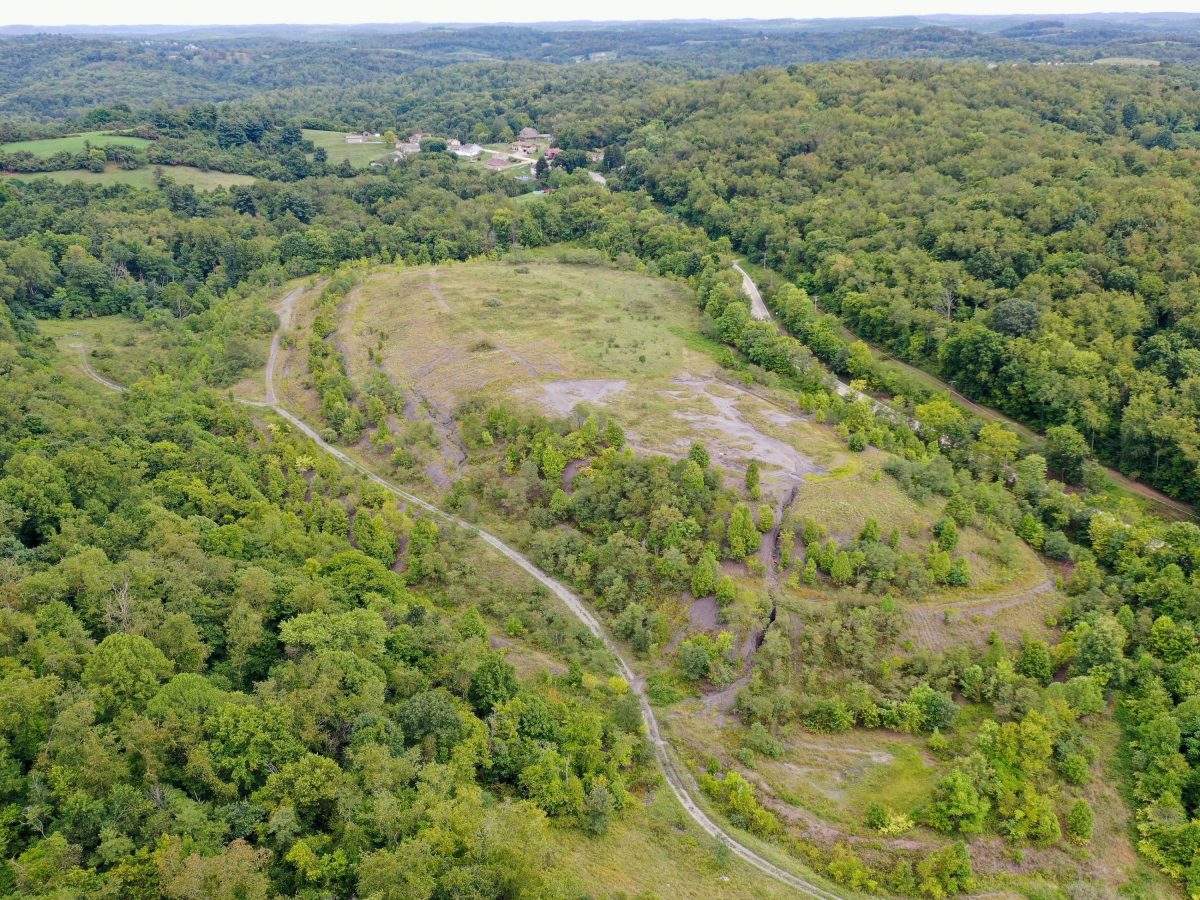
Abandoned Mine Lands: An Opportunity for Nature and Communities
An overview of how abandoned mine land reclamation can restore ecosystems, reduce long-term risk, and deliver lasting value for communities.
Read the article →
RES Awarded $20M Design-Build Contract for Meadow Fork Clogged Stream Project
Read the news release →
Let’s talk about your site
Whether you are planning a mine closure, accelerating abandoned mine land reclamation, or managing a complex industrial property, RES helps move reclamation projects forward with fewer hurdles and better outcomes.
Reclamation Services FAQ
What are reclamation services?
Reclamation services restore disturbed, mined, or industrial land to a stable, safe, compliant, and productive condition. This may include grading, soil stabilization, mine water treatment, stream and wetland restoration, native revegetation, monitoring, maintenance, and long-term stewardship.
What types of sites require reclamation services?
Reclamation services may be needed for active mines, abandoned mine lands, landfills, coal refuse areas, waste rock sites, quarries, brownfields, industrial properties, and other disturbed lands. RES supports reclamation for both active operations and legacy sites.
What is included in abandoned mine land reclamation?
Abandoned mine land reclamation may include site assessment, grading, highwall or spoil stabilization, coal refuse management, acid mine drainage treatment, erosion control, stream and wetland restoration, native revegetation, monitoring, and long-term maintenance. RES supports AML projects through integrated planning, design, construction, and stewardship.
Can reclamation be done during active mining operations?
Yes. Reclamation can often be planned and implemented while mining operations are active. Progressive reclamation can help stabilize inactive areas, manage water, reduce erosion, support compliance, and prepare the site for future closure or bond release.
How can active mine operators support bond release?
Active mine operators can support bond release by stabilizing disturbed areas, establishing durable vegetation, managing water quality, controlling erosion, documenting performance, and meeting regulatory requirements. RES helps operators plan, implement, monitor, and maintain reclamation strategies that support compliance and bond release.
What is acid mine drainage treatment?
Acid mine drainage treatment addresses acidic or metal-laden water from mine sites. Treatment may include passive systems, active treatment, constructed wetlands, limestone-based systems, or other engineered approaches depending on water chemistry, flow, site constraints, and long-term performance goals.
What is design-build reclamation?
Design-build reclamation combines design, engineering, construction, and implementation under one accountable partner. This approach can reduce handoffs, simplify procurement, improve schedule certainty, and help move reclamation projects from planning to completion more efficiently.
How much does mine reclamation cost?
Mine reclamation costs vary based on site size, grading needs, water treatment requirements, soil conditions, vegetation goals, permitting requirements, monitoring obligations, and long-term maintenance needs. RES evaluates site conditions and project goals to help clients understand realistic scope, budget, and delivery options.
How long does a reclamation project take?
Reclamation timelines vary depending on site complexity, permitting, design, construction needs, seasonal planting windows, monitoring requirements, and regulatory closeout. Some stabilization or construction work may be completed within a single season, while vegetation establishment, monitoring, and performance verification often continue over multiple years.
Who provides mine reclamation and AML reclamation services?
RES provides mine reclamation, abandoned mine land reclamation, landfill reclamation, and industrial site restoration services for operators, landowners, public agencies, and program partners. RES supports projects from assessment and planning through design, construction, monitoring, maintenance, and long-term stewardship.