
Industries
SOLUTIONS
Supporting the promise of the modern world.
From renewable energy to transportation infrastructure, RES delivers nature-based solutions, ecological restoration, and mitigation services that help your industry navigate regulatory requirements and build resiliency into your operations.
Data Centers
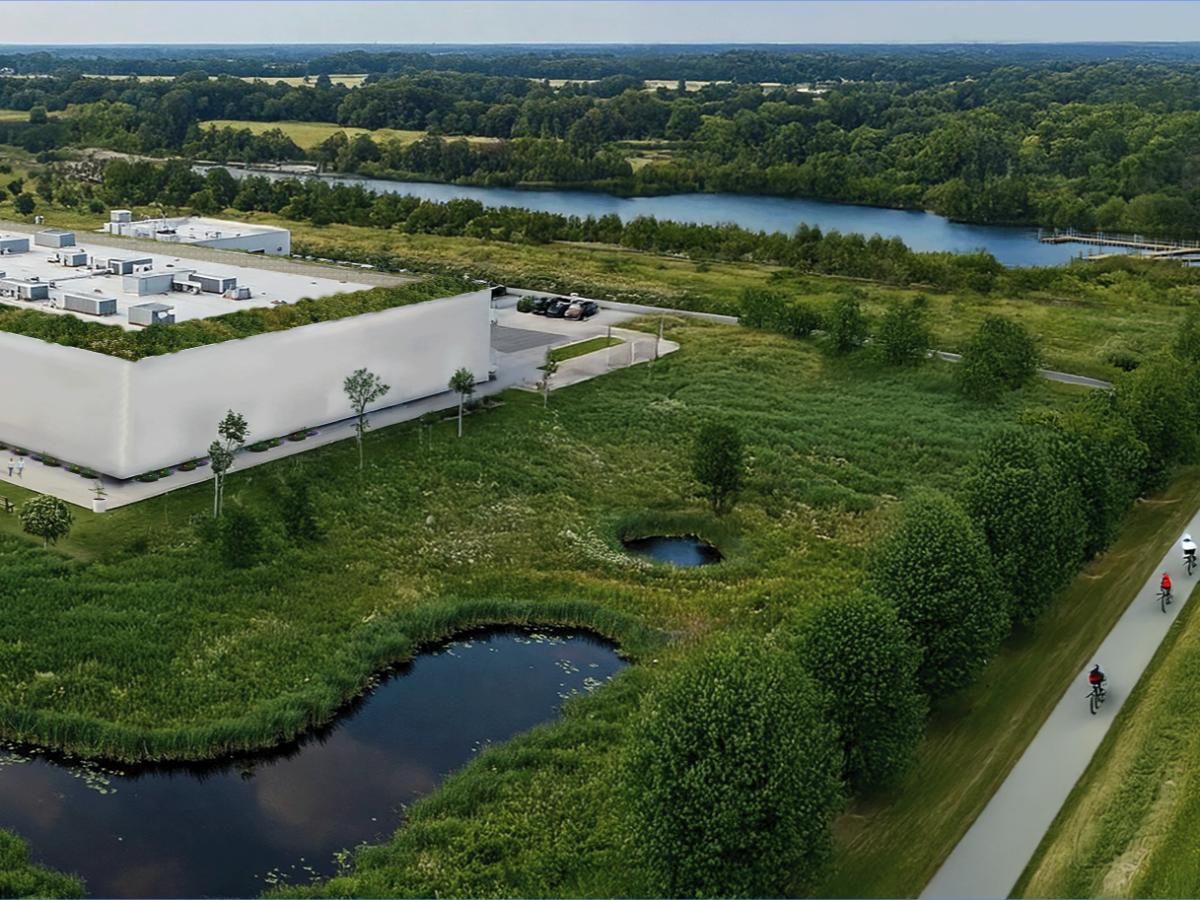
Data center development moves fast, and environmental risk is one of the biggest threats to that timeline. Community opposition, water-use scrutiny, and permitting delays can stall projects and inflate budgets. RES helps data center developers turn that risk into a competitive advantage with nature-based solutions that accelerate approvals, build community trust, and lower long-term costs.
Our approach centers on three strategies: Ecological Site Solutions that replace conventional turf and landscaping with native systems, bioswales, and natural stormwater management to reduce cooling loads and operating costs; Volumetric Water Benefits that replenish more water to the watershed than operations consume, supporting water-positive commitments; and environmental mitigation that offsets unavoidable impacts to wetlands, streams, and species habitat while keeping permits on schedule.
Applied early, before the first permit is filed, these solutions help hyperscale and campus-scale projects shorten timelines, strengthen sustainability and ESG reporting, and earn the local trust that keeps development on track.
Federal Agencies
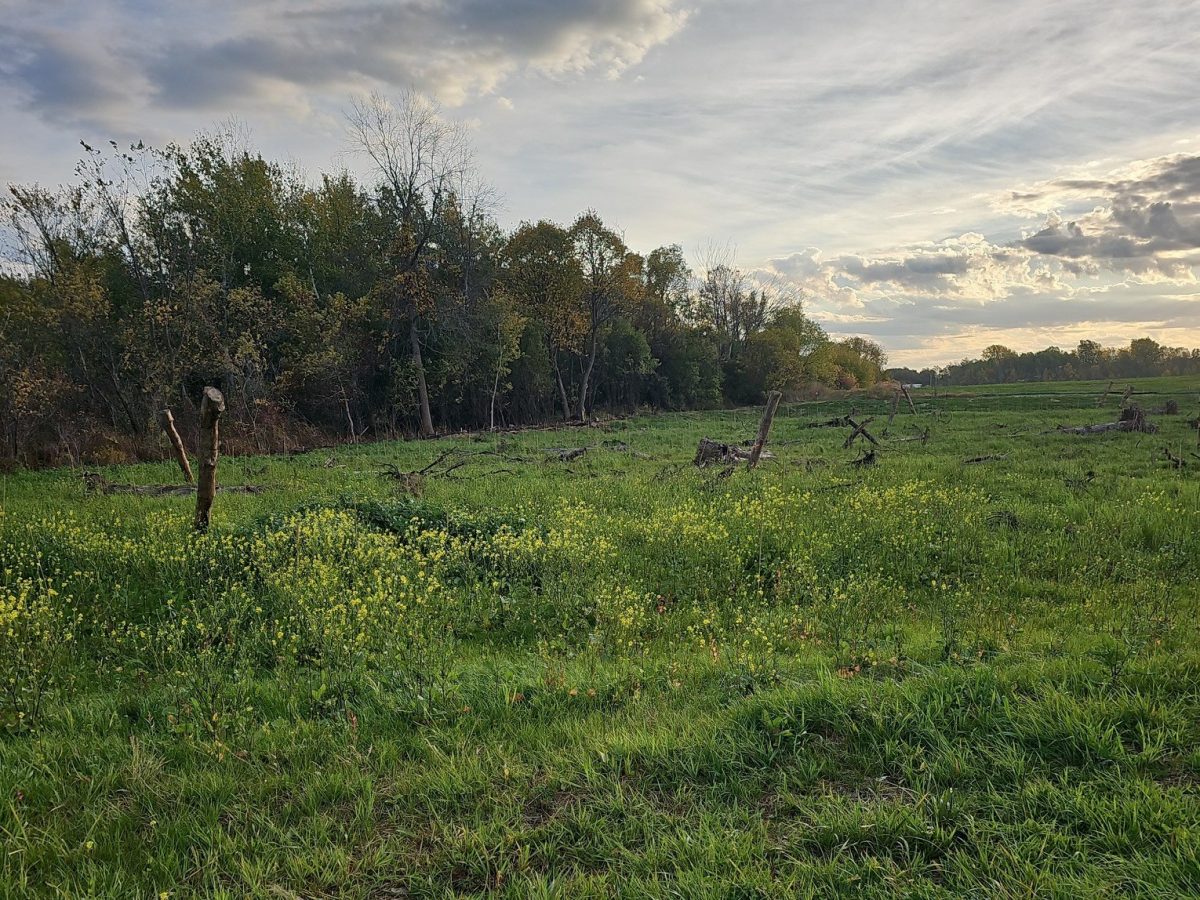
RES is a national leader in nature-based solutions, delivering ecological restoration, water resources mitigation, and water quality offsets for many federal agencies. As both prime and subcontractor, RES has completed projects supporting federal infrastructure, flood resiliency, and post-hurricane recovery.
RES collaborates with agencies to enhance climate resiliency and adaptation plans through nature-based approaches. These efforts include protecting coastal assets such as ports and naval facilities with living shorelines, improving water quality through green infrastructure, and promoting species conservation through habitat restoration. Projects align with specific agency mandates, such as NEPA and Integrated Natural Resource Management Plans, and often involve mission-driven terrestrial and aquatic habitat restoration through fish passage and dam removal initiatives.
RES has extensive federal contracting experience with a range of clients, including the Department of Defense (NAVFAC, Air Force, Army), Environmental Protection Agency, General Services Administration, National Oceanic and Atmospheric Administration, National Park Service, Natural Resources Conservation Service, US Army Corps of Engineers, US Fish and Wildlife Service, and US Forest Service.
Large-Scale Development
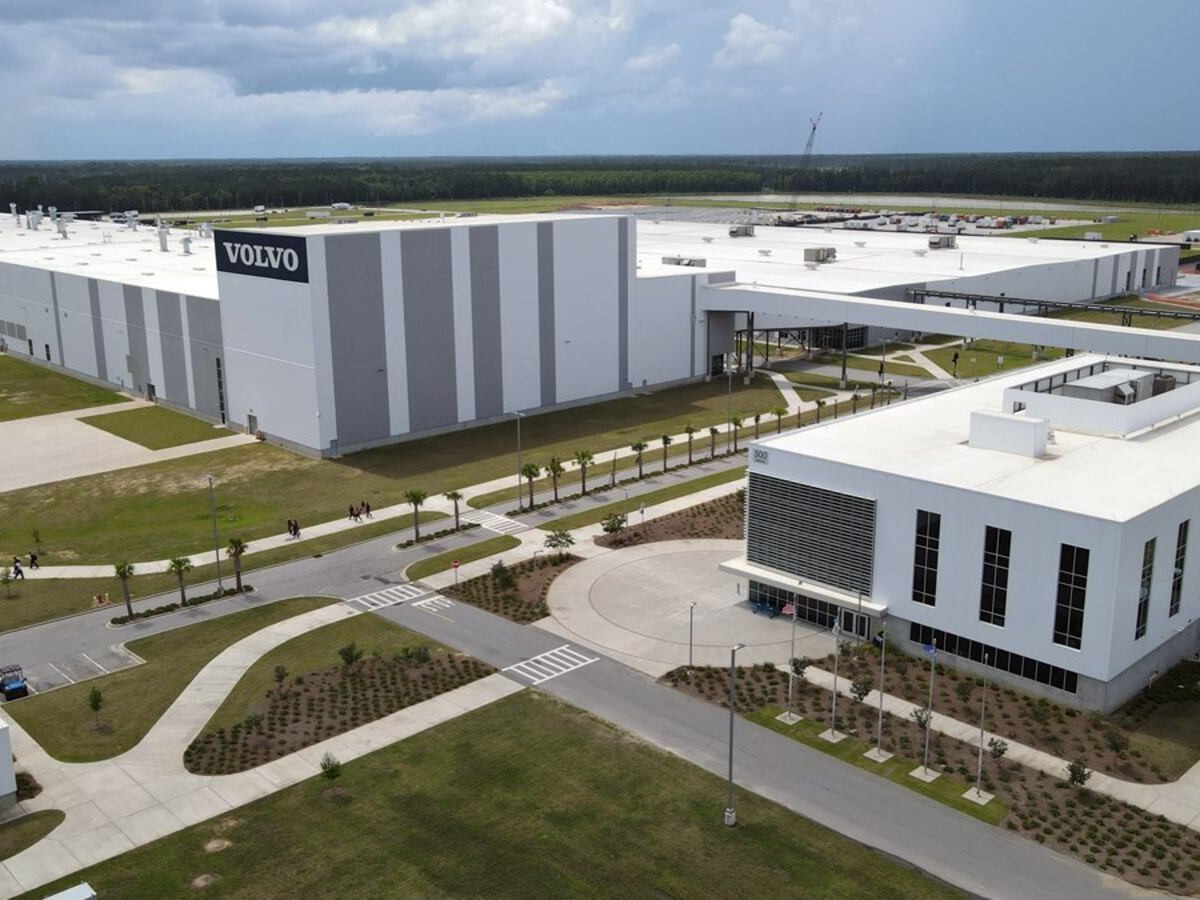
Large-scale commercial development—from manufacturing and data centers to big box retail, warehouses, and life sciences facilities—is essential to thriving economies. As development accelerates in growing regions, these projects often occupy large footprints with significant impervious surfaces, parking, and infrastructure corridors. They typically trigger additional development, such as roads and supporting utilities.
These activities require careful consideration of ecological impacts. Large facility footprints often impact adjacent wetlands, streams, and sensitive habitats. Stormwater runoff, water consumption, and habitat fragmentation add regulatory complexity: projects must navigate Clean Water Act permitting, Endangered Species Act consultation, and state water quality standards—all while meeting tight construction timelines.
RES supports commercial, manufacturing, and life sciences developers by providing reliable, cost-effective ecological and water resource solutions that accelerate permitting and reduce long-term compliance costs. We design mitigation strategies tailored to project scale and geography—offsetting unavoidable impacts while supporting sustainability goals and phased facility expansion.

Oil, Gas & Pipelines
Increased regulatory agency scrutiny of oil and gas operators developing U.S. onshore resources has heightened operator awareness of regulatory and permitting processes. Company executives, EH&S managers, and resource play and asset managers alike face wide-ranging perceptions of the industry’s view of environmental issues. The oil and gas industry is subject to various environmental regulations, like the Clean Water Act and the Endangered Species Act.
Pipelines carry their own challenges. Oil, gas, and other pipelines are typically constructed in linear corridors with permanent and temporary disturbances to the built environment. These projects often optimize their alignment to minimize impacts, but compensatory mitigation is sometimes required to comply with regulations addressing unavoidable impacts on wetlands, streams, and habitats of threatened and endangered species. Because they span large geographic areas and are regulated by numerous agencies, these projects are highly visible and increasingly scrutinized.
RES provides project impact analyses to understand and offset natural resource impacts and streamline the permitting process for project development activities. As the energy industry’s leading supplier of ecological solutions, RES addresses the various mitigation requirements associated with project development as well as the construction and O&M of pipelines.
Power & Utilities
Generating and delivering electric power, gas, water, and other resources to growing communities means protecting current assets and carefully planning system expansions.
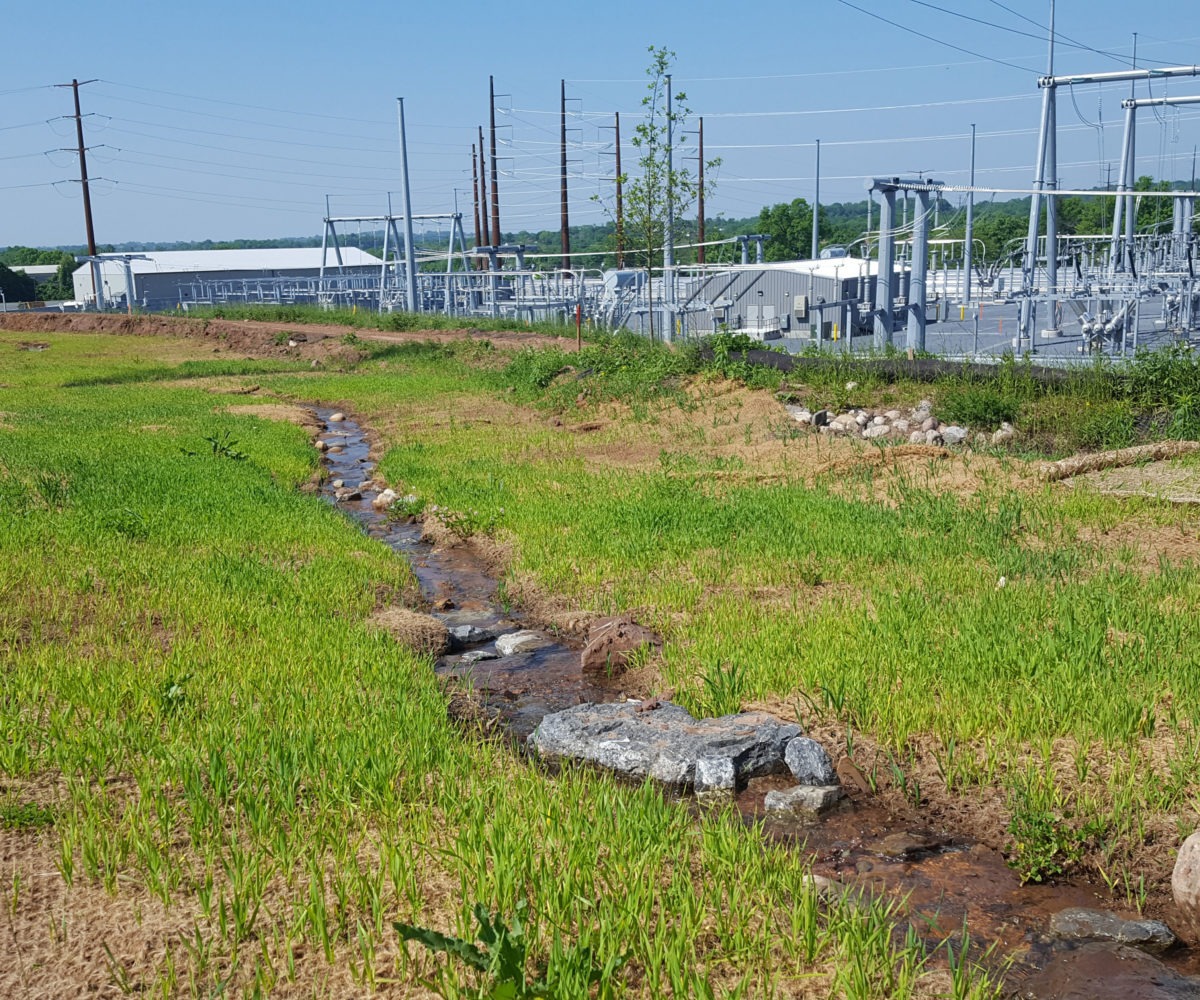
New projects often have linear corridor impacts and intersect wetlands and waterbodies. Ecological impacts often require compensatory wetland, stream, and habitat offsets, also called mitigation, to enable compliance. Existing infrastructure may need asset protection in the form of coastal resiliency or storm surge mitigation.
RES is the nation’s leader in supplying ecological solutions for linear projects such as transmission line expansions, capacity improvements, and O&M activities.

Renewable Energy
Wind and solar power projects cover native landscapes, producing sustainable energy to meet growing demand.
As the development of these renewable facilities increases, they face increasing scrutiny around vegetation management. In addition, renewable project footprints often have unavoidable impacts to wetlands, and their vertical, rotating components may affect some endangered, threatened, or protected species. In addition to these facilities, these projects often require appurtenant transmission infrastructure, requiring the development of additional corridors.
Whether supporting pollinator habitat or mitigating unavoidable impacts on wetlands and species, RES ecological solutions match the scale required for regulatory compliance with predictable, successful ecological outcomes.
State, County & Municipal Agencies
Many state and local governments are confronting the growing challenges created by stormwater-related issues, aging infrastructure, and fiscal uncertainty. Whether complying with the Clean Water Act’s National Pollutant Discharge Elimination System (NPDES) or addressing Total Maximum Daily Load (TMDL) issues, public sector entities face increased scrutiny while managing limited funding. Public demand is also growing for green infrastructure and its broad benefits.
RES utilizes nature-based Best Management Practices (BMPs) and cutting-edge technology for capital projects and pollution reductions with reduced regulatory and financial risks to your municipality. We are uniquely structured to meet municipal separate stormwater sewer system (MS4) and TMDL permit requirements and goals through green infrastructure, stream restoration, and proven BMPs. This structure allows for the elimination of multiple RFP processes and a sole-provider relationship that benefits the community and those it serves.


Transportation
Across the U.S., infrastructure investments are increasingly needed to address added capacity, state of good repair, and safety. Governmental entities are making significant investments in our infrastructure, but must often balance funding with community needs and the environment.
As a result of this important and necessary development, these infrastructure improvements often affect critical lands and increase stormwater runoff, leading to more pollutants entering our country’s wetlands and waterways. Additionally, forest clearing for linear corridors may impact endangered or threatened species.
Compliance with state and federal regulations includes using environmental offsets that rely on natural, land-based solutions—such as riparian buffers, wetland restoration, or forest conservation—within the watershed where the infrastructure is developed.
RES provides ecological restoration and water resource solutions to address these challenges.
Ask RES: Frequently Asked Questions
What does RES do?
RES is a national leader in nature-based solutions, providing ecological restoration, environmental mitigation, and water resource solutions to clients across the public and private sectors.
Who does RES work with?
RES works with clients in both the public and private sectors — including federal, state, and local agencies, data center and commercial developers, energy and utility companies, and transportation and infrastructure programs.
What are nature-based solutions?
Nature-based solutions use restored natural systems to solve development and infrastructure challenges — managing water, offsetting impacts, and building resilience while delivering ecological and community value.
Why choose RES?
RES designs nature-based solutions that help clients meet regulatory requirements, accelerate permitting, and reduce long-term costs — turning environmental challenges into predictable, measurable outcomes.
Does RES work with federal agencies?
Yes. RES has extensive federal contracting experience as both prime and subcontractor, delivering ecological restoration, water resources mitigation, and water quality offsets. Federal clients include the Department of Defense (NAVFAC, Air Force, Army), EPA, GSA, NOAA, National Park Service, Natural Resources Conservation Service, US Army Corps of Engineers, US Fish and Wildlife Service, and US Forest Service.
How does RES support data center development?
RES helps data center developers turn environmental risk into a competitive advantage using nature-based solutions — Ecological Site Solutions, Volumetric Water Benefits, and environmental mitigation — that accelerate permitting, build community trust, and reduce long-term costs.
Can RES help with environmental permitting and regulatory compliance?
Yes. RES creates environmental offsets that help clients comply with regulations including the Clean Water Act, the Endangered Species Act, NPDES, and TMDL requirements — using nature-based approaches designed to keep projects on schedule.