
Biodiversity Strategy for Measurable Nature Outcomes
Nature is now a business issue.
RES turns nature commitments into measurable outcomes.
Nature loss is a material business risk — and, increasingly, a disclosure obligation. As investors, regulators, and customers demand credible action on biodiversity, organizations need a partner who can turn nature commitments into measurable, verifiable, durable outcomes on the ground.
RES helps sustainability and nature teams move from ambition to delivery: assessing nature-related risks, building a Biodiversity Action Plan, setting credible targets, and restoring real ecosystems — backed by decades of monitored, accounted-for results across hundreds of sites.
Build your nature strategy. Talk to our team
Why nature is now a business and disclosure issue
Nature has moved from a reputational nice-to-have to a board-level risk, reporting, and resilience issue. Companies now face:
- Investor and stakeholder pressure to demonstrate credible, measurable action on biodiversity, not just pledges.
- Emerging disclosure expectations and requirements, including TNFD and CSRD / ESRS E4 for Biodiversity and Ecosystems.
- Science-based target-setting guidance through SBTN.
- Double materiality: nature as both a financial risk to the business and an impact of the business that must be assessed and reported.
- A higher integrity bar: vague commitments no longer pass. Outcomes must be additional, measurable, verifiable, and durable.
The gap most organizations face is not ambition. It’s the ability to translate a nature commitment into outcomes they can measure, defend, and disclose. That’s what RES delivers.
How RES helps: from disclosure obligation to delivered outcomes
A clear path from disclosure obligation to delivered, reportable results:
- Assess: Nature-related risk and dependency assessment — the entry point for most TNFD work: where your value chain depends on and impacts nature, and where the material risks sit.
- Set targets: Translate the assessment into credible, framework-aligned nature targets (SBTN, TNFD), integrated with your existing climate and net-zero commitments.
- Plan: Develop a Biodiversity Action Plan that maps impacts, dependencies, and commitments to specific, fundable actions.
- Restore & deliver: Design and build real ecological outcomes — value chain and beyond value chain — using science-based restoration.
- Monitor, verify & report: Quantified, monitored results with the accounting rigor your disclosures require: additionality, durability, and verification built in.
Why organizations trust RES to deliver
The hardest part of a nature commitment is proving it happened — and that it will last. RES helps organizations move beyond commitments by delivering ecological restoration, monitoring performance over time, and stewarding results for the long term.
RES has spent decades delivering measurable, monitored ecological results across hundreds of sites nationwide, with performance guarantees and long-term stewardship built into the work we create.
That depth, assembling land, restoring at landscape scale, monitoring against performance criteria, and standing behind results for the long term, is precisely the implementation, verification-ready, and accounting capability the integrity question demands. We don’t just plan nature outcomes; we build them, measure them, and remain accountable for them.
- Hundreds of sites with delivered, monitored ecological uplift
- Landscape-scale river, watershed, wetland, prairie, and coastal restoration
- Long-term stewardship and performance guarantees on delivered outcomes
- A national operating structure built to implement, monitor, verify, and account for results at scale
How RES restores ecosystem function
Durable biodiversity outcomes depend on restoring the biological, physical, and chemical processes that sustain a healthy ecosystem — not just planting vegetation. RES restores all three so the systems we create are self-sustaining and defensible over time:
- Biological: native plant communities, wildlife habitat, and ecological interactions
- Physical: hydrology, geomorphology, habitat structure, and connectivity
- Chemical: water quality, nutrient cycling, carbon storage, and soil development
This full-function approach is what makes our results measurable, durable, and credible enough to support disclosure.
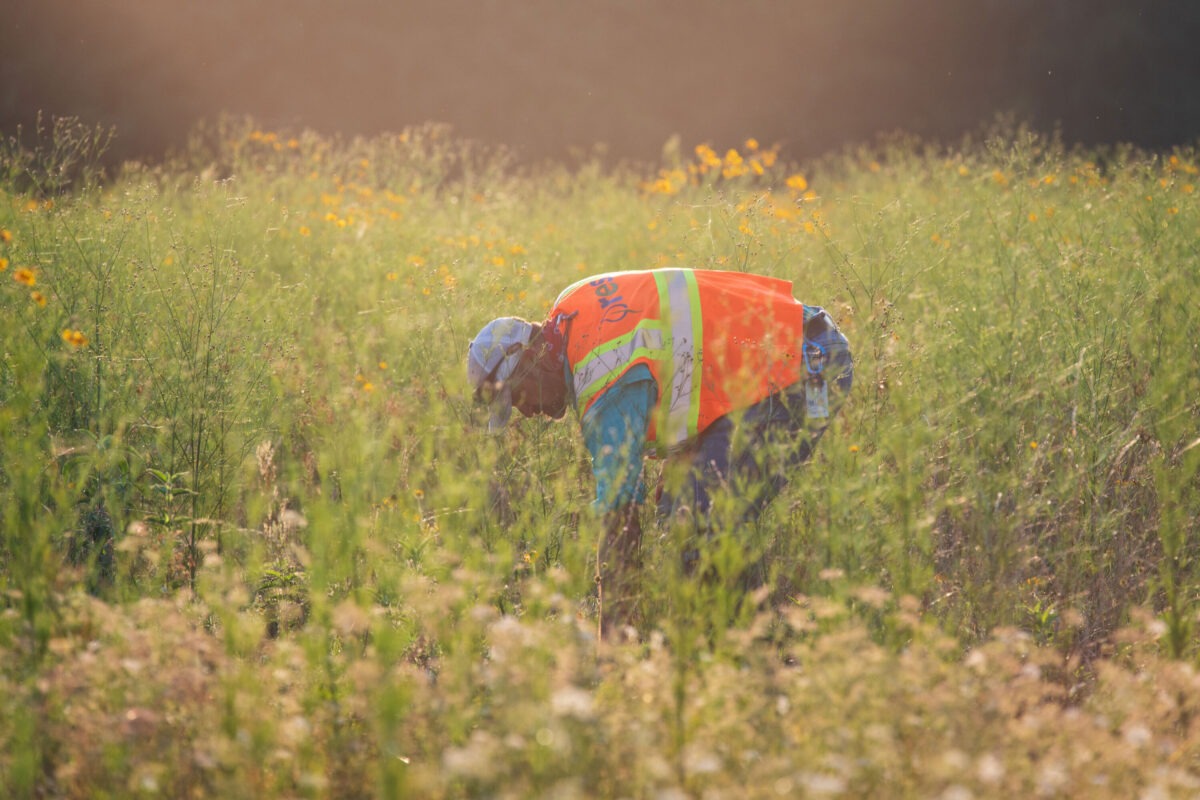
Integrated nature and climate outcomes
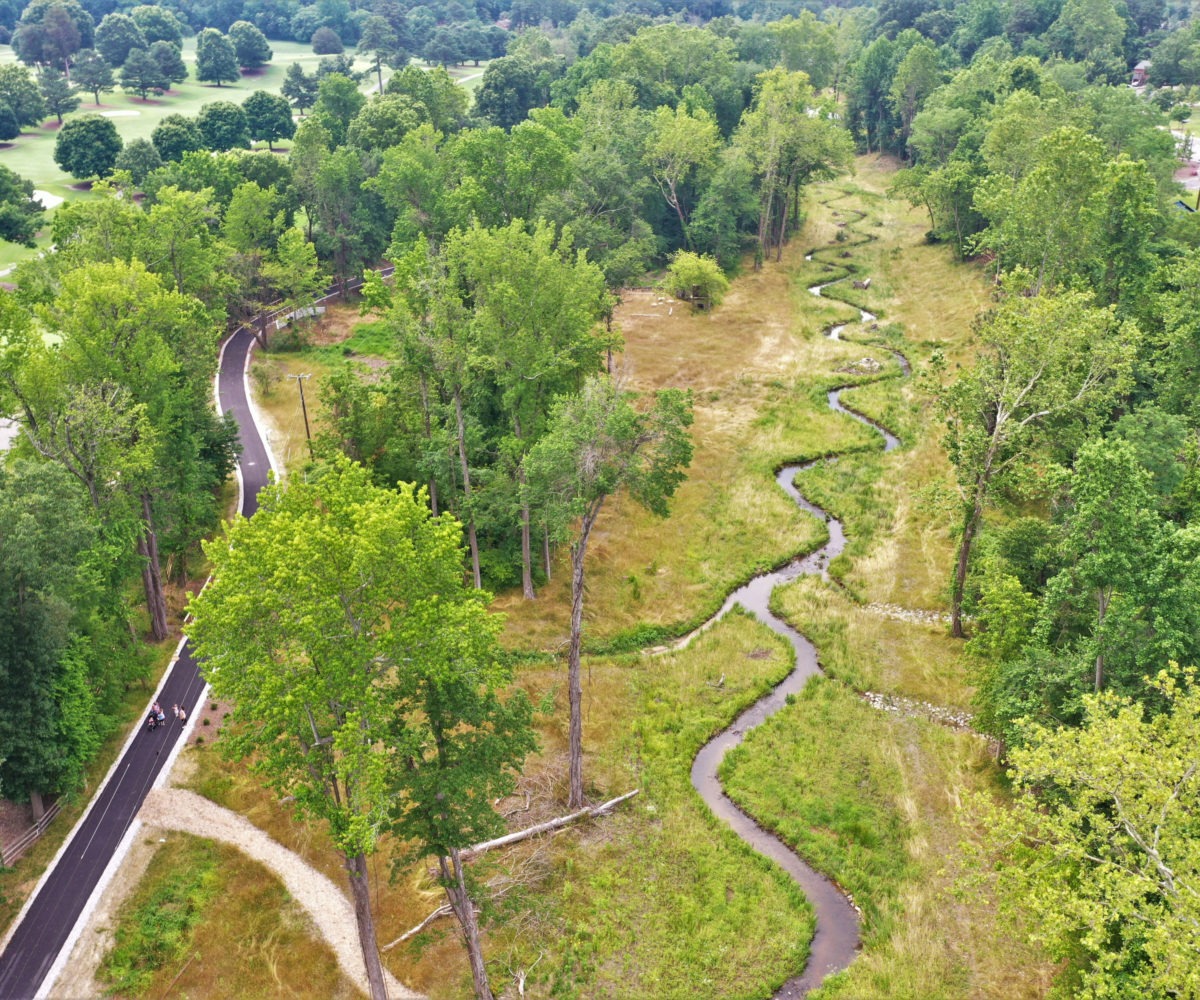
The strongest nature programs don’t sit apart from climate programs — they reinforce them. RES restoration delivers integrated nature-and-climate outcomes: habitat and biodiversity gains alongside carbon sequestration, water stewardship, and community resilience.
If your organization already has net-zero or SBTi commitments, nature is the next extension. Align your nature strategy with your existing climate targets and deliver both within the same projects.
Nature outcomes in action
Measurable results across landscapes, habitats, and ecosystems — delivered, monitored, and accounted for.
Restored Landscapes
-
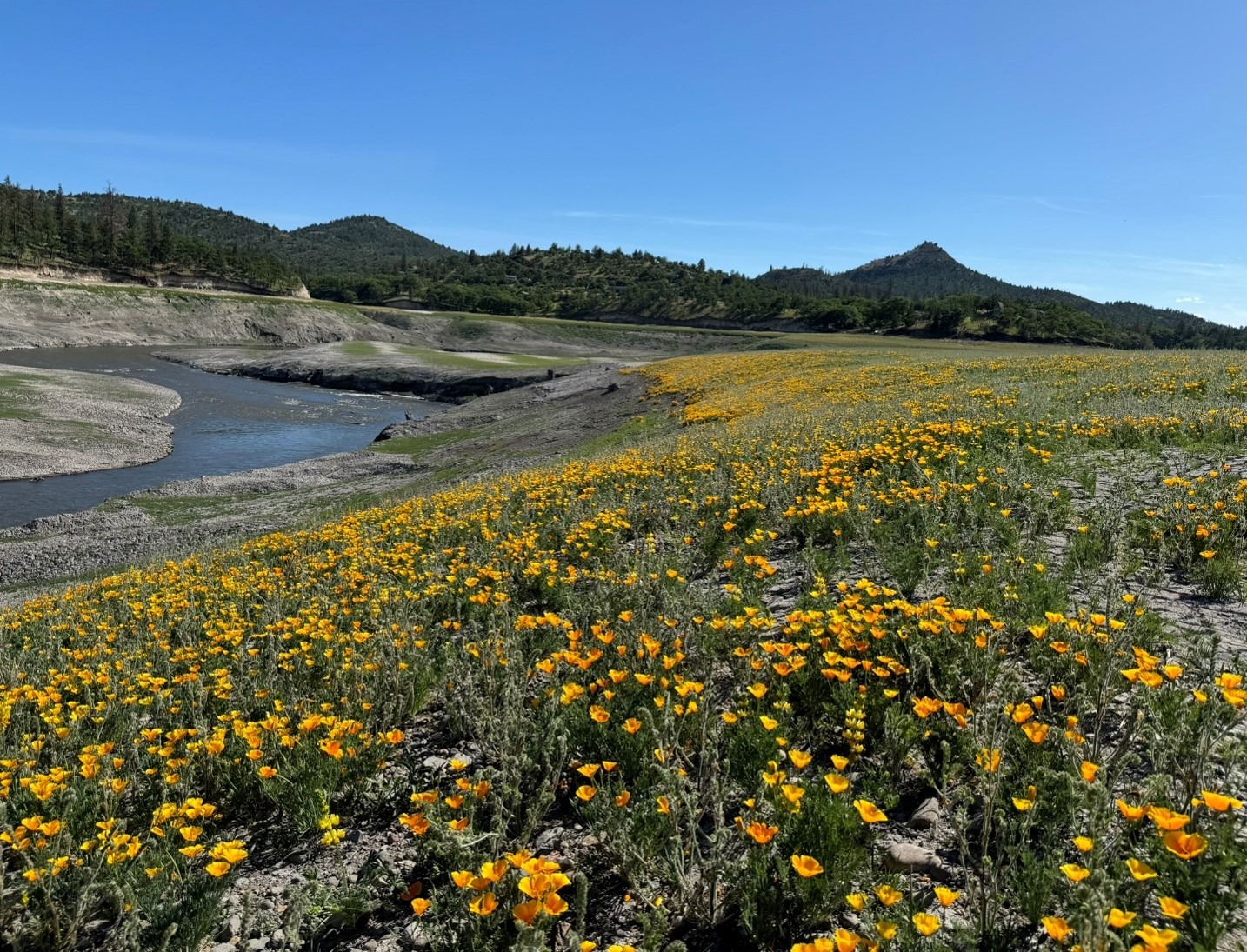
Klamath River Renewal
-
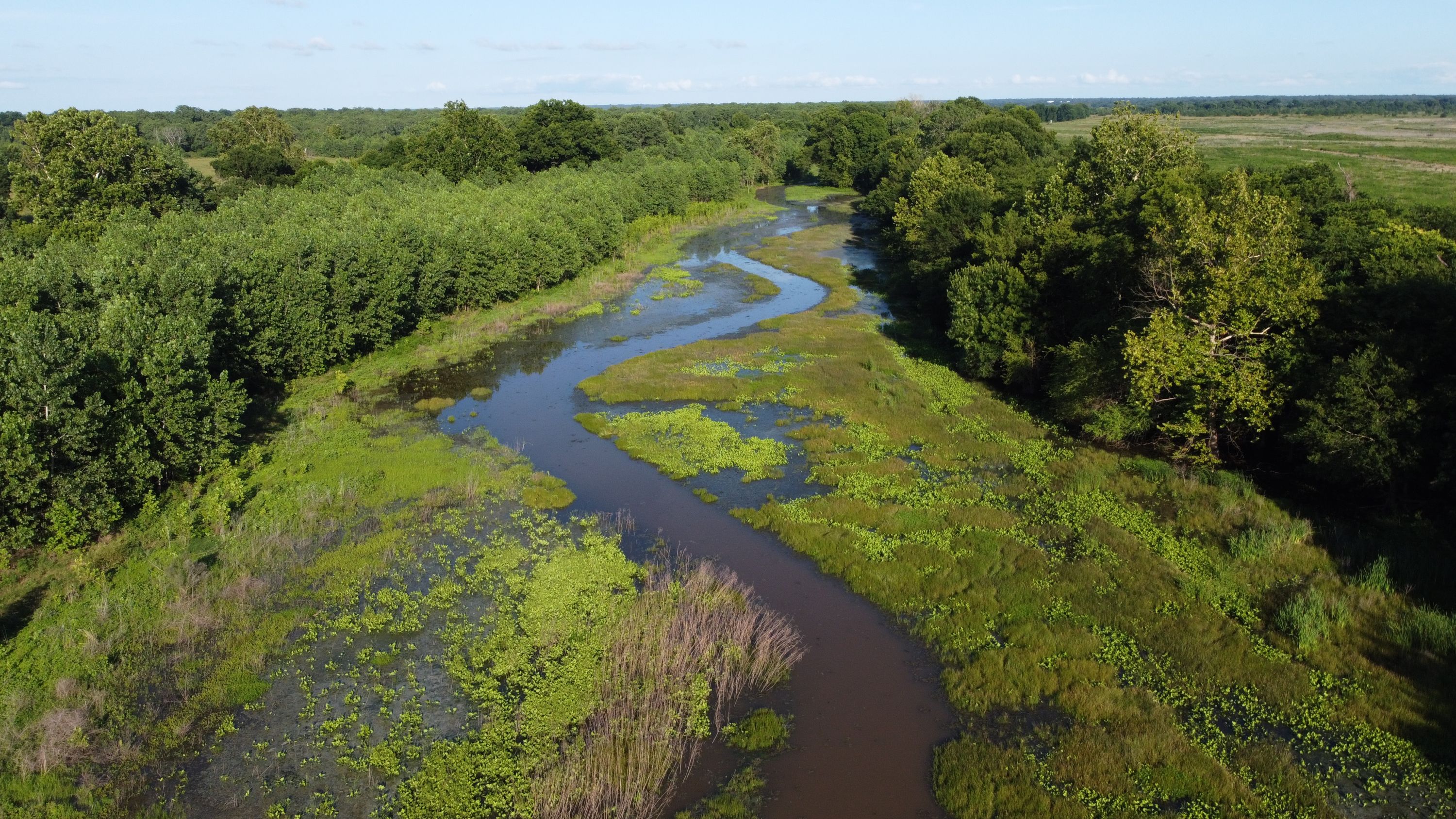
Bois d'Arc Landscape-scale Restoration
-
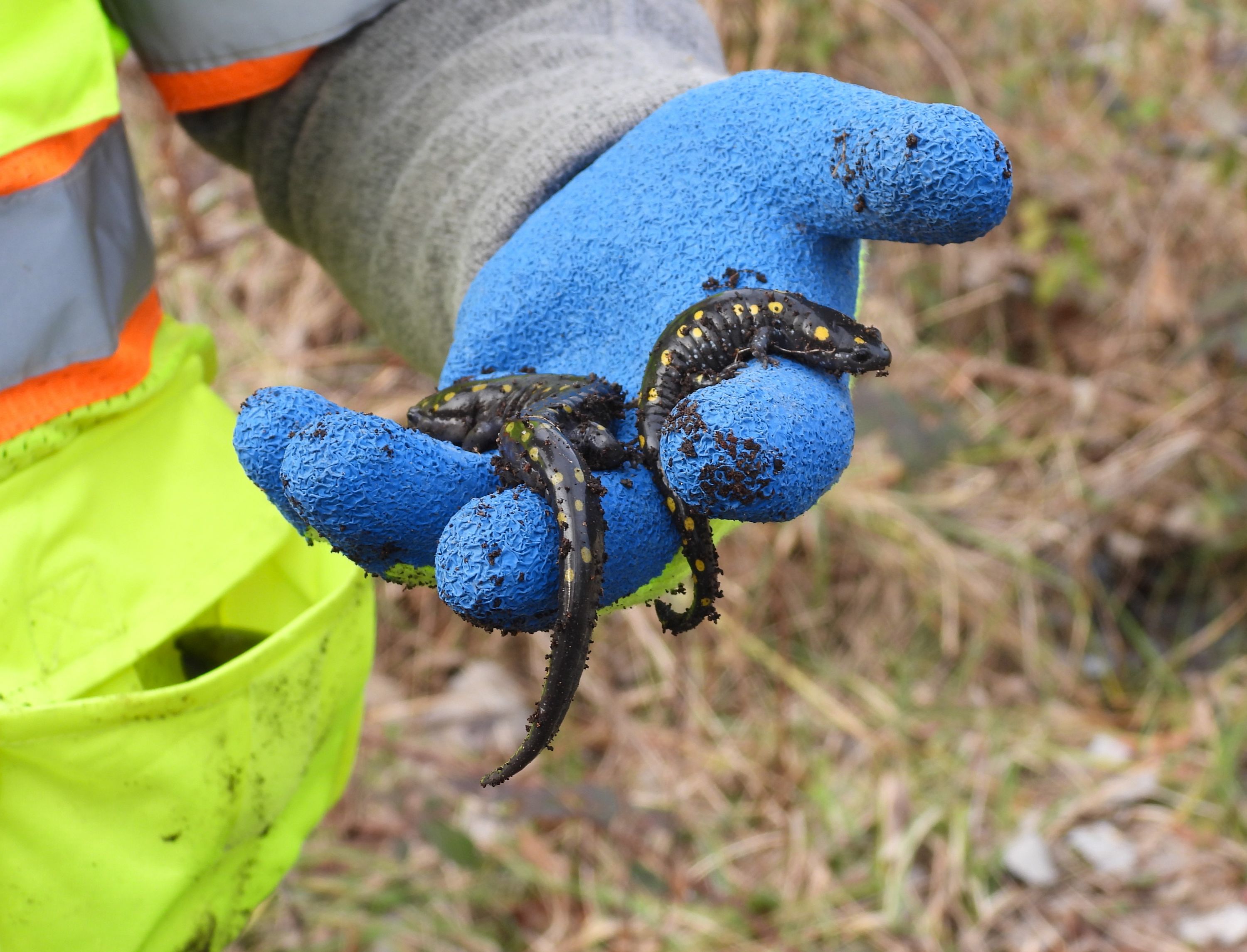
Kingman & Heritage Islands Conservation Area Restoration
Recovered Habitats
-
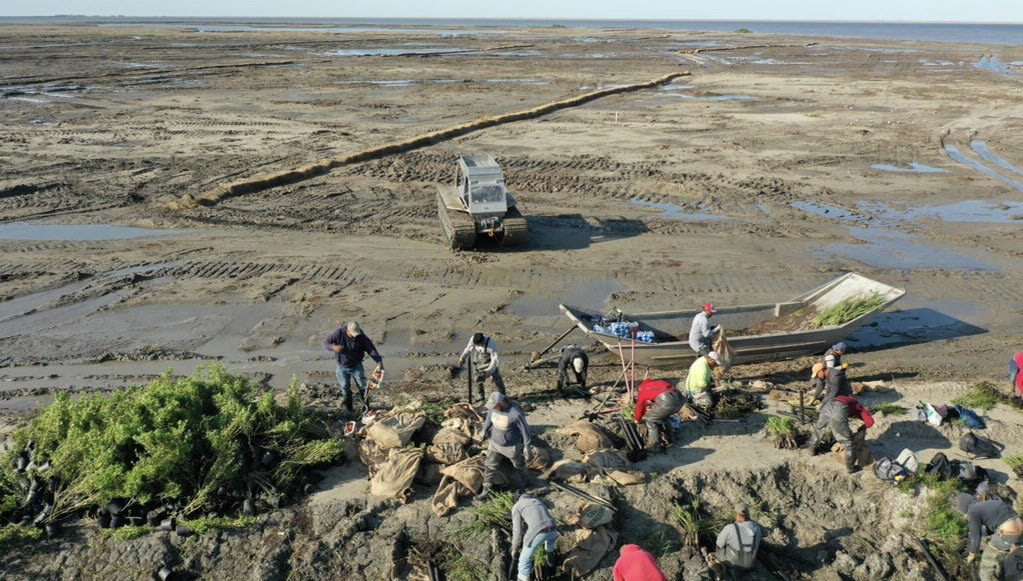
Rabbit Island Coastal Bird Habitat Restoration
-
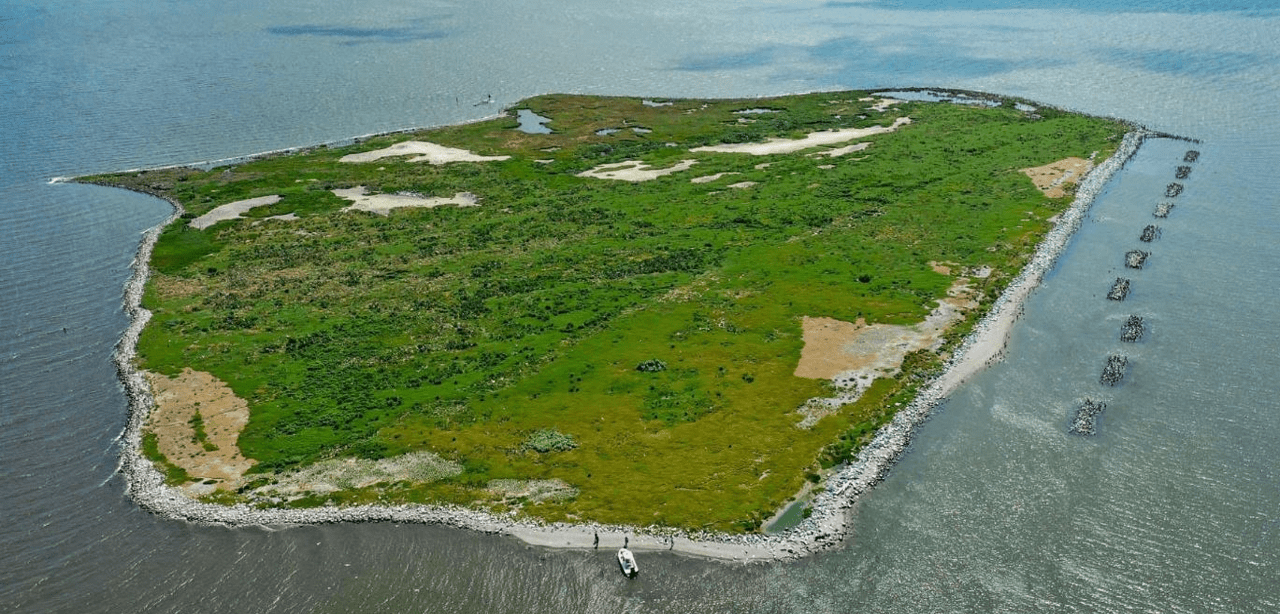
Queen Bess Island Coastal Bird Habitat Restoration
-
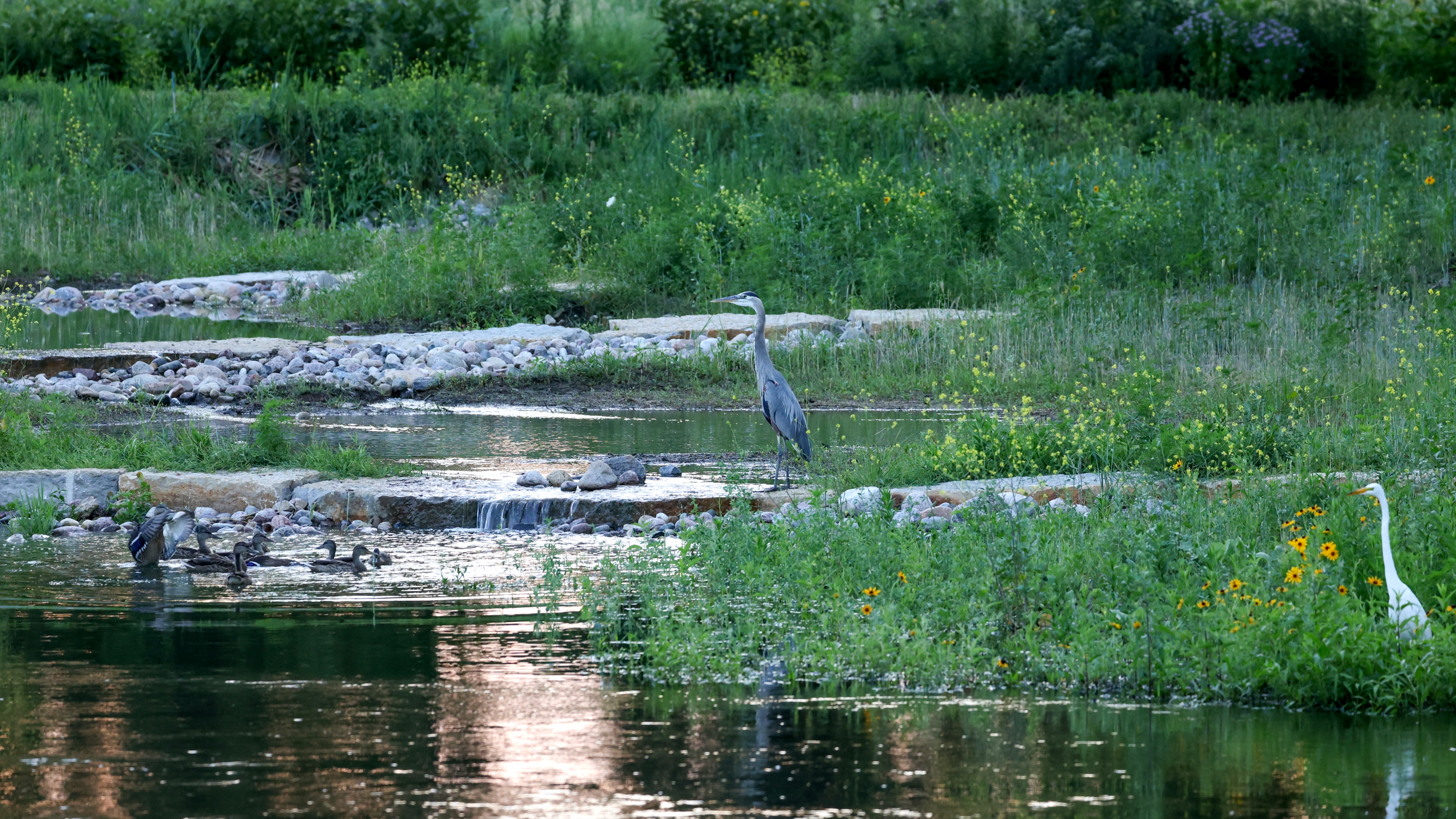
DuPage County Natural Areas Management Program
-
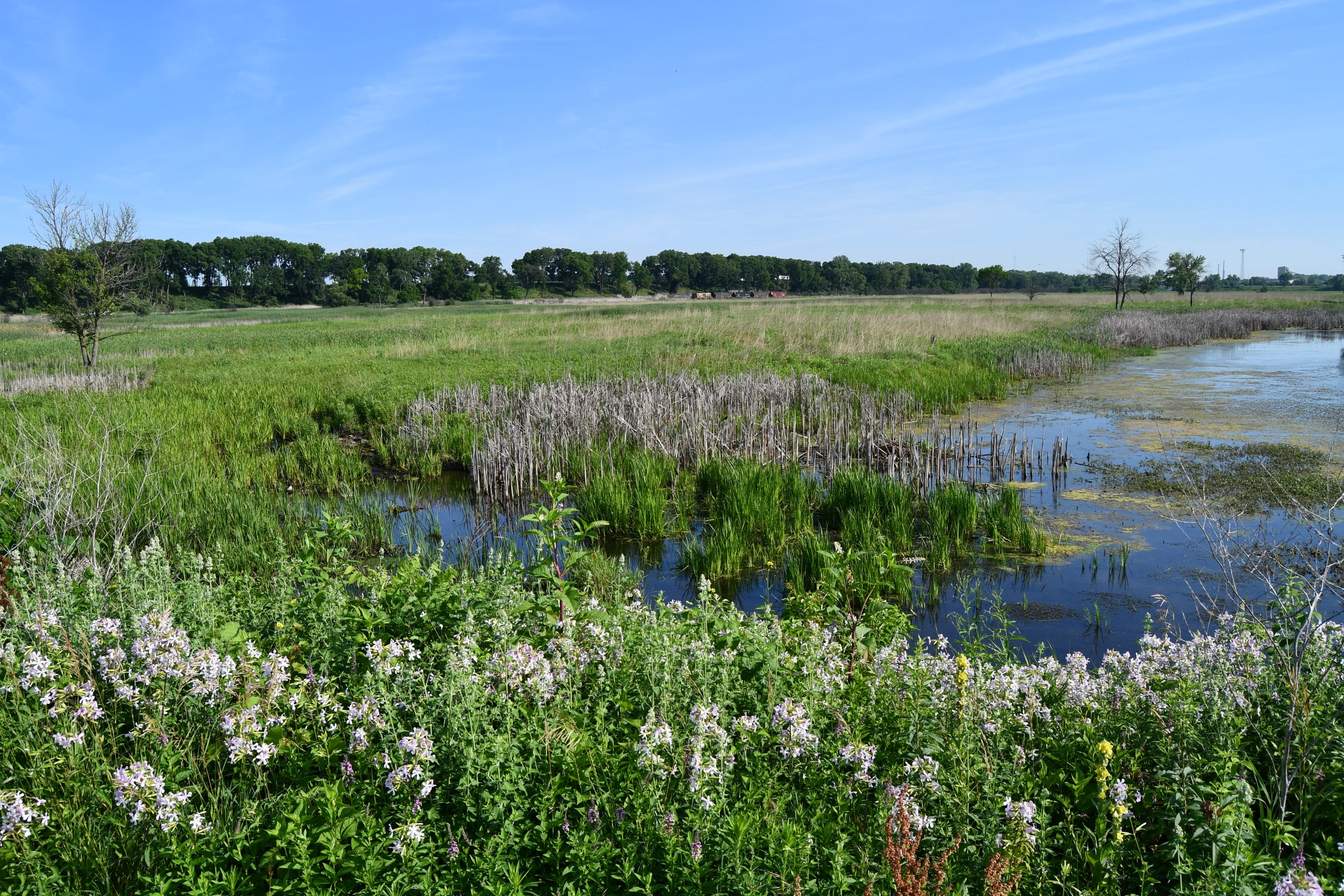
Lockport Prairie and Prairie Bluff Ecosystem Restoration
Aligned with the frameworks your disclosures depend on
RES outcomes can be measured against the frameworks your disclosures depend on, including TNFD, SBTN, and CSRD / ESRS E4, with metrics such as habitat quality, ecological condition, species occurrence, and ecosystem-service delivery, tracked through adaptive management.
Turn your nature commitments into reportable outcomes
Talk to RES about how to:
- Assess your nature-related risks and dependencies
- Build your Biodiversity Action Plan
- Translate your TNFD / CSRD disclosures into delivered, verified action
Ask RES Experts
What is biodiversity restoration?Biodiversity restoration is the process of recovering native species, habitats, and ecological processes in degraded or damaged ecosystems. It goes beyond planting vegetation to include restoring hydrology, soil function, wildlife connectivity, and the biological, physical, and chemical processes that sustain healthy ecosystems over time.
What does “nature-positive” mean? Nature-positive means halting and reversing biodiversity loss — leaving nature in a measurably better state than you found it, typically against a 2020 baseline using internationally recognized frameworks. For organizations, it means moving beyond avoiding harm to actively restoring the ecosystems they depend on, and being able to measure and report the results.
What is a nature-related risk and dependency assessment? It’s the starting point for most TNFD work: identifying where your operations and value chain depend on nature (water, soil, pollination, climate regulation) and where they impact it, then locating the material financial and ecological risks. It’s the foundation for credible targets, a Biodiversity Action Plan, and disclosure.
What is double materiality, and why does it matter for nature? Double materiality means assessing nature in two ways: the financial risk nature poses to your business, and the impact your business has on nature. Frameworks like CSRD / ESRS E4 require both. It reframes biodiversity from a corporate social responsibility (CSR) line item into a financial and disclosure issue.
What is a Biodiversity Action Plan (BAP)? A Biodiversity Action Plan identifies an organization’s biodiversity impacts, dependencies, and commitments, and sets out specific actions to avoid harm and create positive outcomes for nature. RES can help clients develop BAPs as part of a broader nature strategy, aligned with corporate sustainability frameworks and nature-related disclosure obligations (TNFD, SBTN, CSRD / ESRS E4).
How does RES measure biodiversity outcomes? RES uses biodiversity baseline assessments, ecological monitoring, and performance metrics aligned with recognized frameworks such as TNFD and SBTN. Metrics may include habitat quality, species occurrence, ecological condition, and ecosystem service delivery, tracked over time through adaptive management so that results are verifiable and disclosable.
What do verification, additionality, and durability mean, and why do they matter? These are the integrity criteria on which the credible nature of work is judged. Additionality: the outcome wouldn’t have happened anyway. Verification: results are independently measurable against a baseline. Durability: the outcome is protected and stewarded for the long term. RES’s monitoring, performance guarantees, and long-term stewardship are built to meet all three.
Can a nature program also advance our climate targets? Yes. Restoration delivers integrated nature-and-climate outcomes — habitat and biodiversity gains alongside carbon sequestration through vegetation growth and long-term soil carbon storage. For organizations with existing net-zero or SBTi commitments, this lets you extend a climate program into nature and deliver both within the same projects (including, where appropriate, carbon credit opportunities).
What is the mitigation hierarchy? An internationally recognized framework for managing biodiversity impacts in order of preference: Avoid, Minimize, Restore, Offset. It directs organizations to prevent impacts first, reduce unavoidable ones, restore affected ecosystems, and finally offset residual impacts through restoration and conservation elsewhere.
Can RES deliver at the scale and rigor our disclosures require? Yes. RES has delivered monitored, long-term ecological outcomes across hundreds of sites nationwide — including landscape-scale river, wetland, prairie, and coastal restoration, as well as dedicated species-recovery programs — backed by performance guarantees and long-term stewardship. That delivery, monitoring, and accounting capability is what makes our outcomes credible enough to disclose.
What types of habitats does RES restore? RES restores many habitats — including wetlands, streams, rivers, native prairies, grasslands, savannas, forests, coastal wetlands, and rare ecological communities — across the full project lifecycle, from ecological assessment and design through construction, monitoring, and long-term stewardship.