Sediment 360: Roadmap for Sustainable Sediment Management
CONTACT

PROJECT SNAPSHOT
Project Type
Non-Bank ProjectLocation
Maryland | Wicomico CountySolution
- Environmental Mitigation
- Water Quality
Ecological Setting
- Riparian Systems
- Rivers
- Soil Health
- Streams
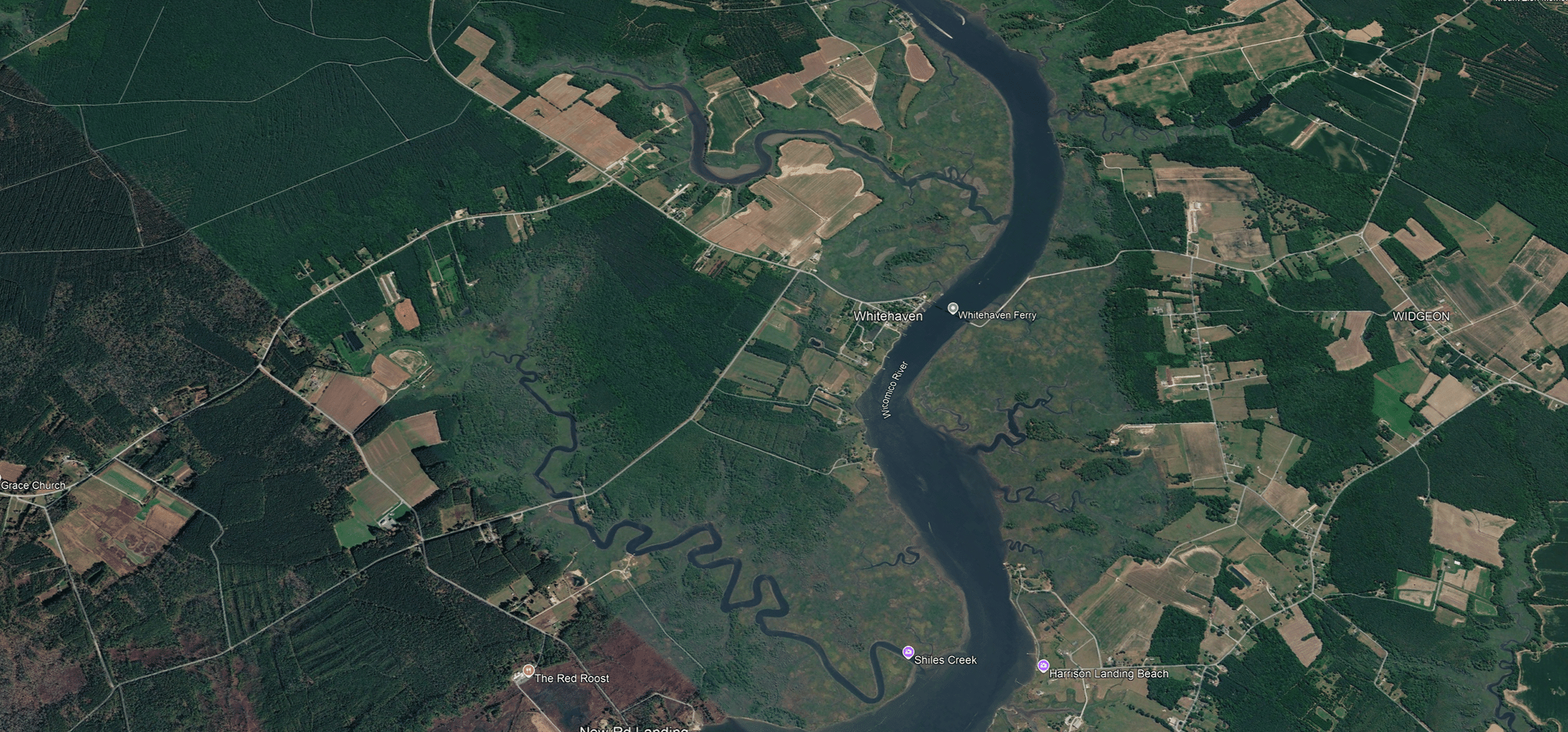
Wicomico County is facing a familiar coastal challenge: dwindling capacity for dredged material placement along the Wicomico River and escalating disposal costs. To turn this challenge into opportunity, the County partnered with RES to create Sediment 360—A Roadmap for Sustainable Sediment Management. This innovative initiative transforms dredged material from a liability into a renewable resource, demonstrating how beneficial reuse can simultaneously support navigation, ecosystem restoration, and economic resilience
The Sediment 360 initiative positions Wicomico County as a regional leader in beneficial sediment reuse, integrating nature-based solutions such as biochar and biomass storage to sequester carbon and restore ecological balance. Through these strategies, RES and its partners are helping the County:
- Reclaim disused sand and gravel pits as wetland habitats.
- Create a pipeline of permittee-responsible mitigation and restoration sites.
- Unlock new circular economy opportunities for local business and workforce development.
- Deliver measurable improvements in water quality, flood resilience, and carbon storage
Led by Charles Hegberg, Program Manager and Senior Project Consultant at RES, Sediment 360 unites an interdisciplinary team of restoration scientists, engineers, and compliance experts. Together, they’ve crafted a roadmap that balances technical rigor with pragmatic governance, offering a replicable framework for other coastal counties facing similar sediment management challenges.
Sediment 360 reimagines dredged sediments as resources, not waste, creating resilient waterways, restoring ecosystems, generating new markets, and delivering lasting community benefits for Wicomico County and the Eastern Shore.
Program Objectives
Program Development and Stakeholder Engagement: Establishing a County-led governance framework, public outreach tools, and partnerships for transparent sediment management.
Sharps Point DMCF Strategy: Expanding placement capacity through phased dredged material removal and site resilience planning.
Beneficial Reuse and Market Development: Identifying pathways for reuse as manufactured soils, shoreline stabilization materials, and wetland restoration fill—anchored in public-private partnerships and modeled after the Maryland Port Administration’s reuse program.
Future-Ready Capacity: Developing a long-term portfolio of sand and gravel pits for dredged material placement and restoration, creating mitigation banks and carbon hubs.
Newland Park Reclamation: Transforming a former mine site into a self-sustaining wetland that will provide flood management, water quality, and wildlife benefits (while generating mitigation and carbon credits).
Supporting Port of Salisbury’s Economic Growth: Ensuring navigation reliability and regional competitiveness through strategic sediment management and channel deepening initiatives
Future Outlook
Currently in development, Sediment 360 is redefining how dredged materials are perceived and managed across the Chesapeake Bay watershed. By advancing this initiative, Wicomico County is not only securing its dredging future but also creating a sustainable model for community-driven resilience and economic renewal.